Friday, 19 February 2016

How to Read a Poem - Terry Eagleton


How does one glean the most of  a poem ? Did the poet only have the obvious meaning in his mind when he wrote his verses ? How do I as the reader get as close to the sentiments of the poet as I possibly could ? Besides this, what are the theory of Literature, Technicalities (if you will )  involved in writing poetry ? This has been one of the nagging problems, I've experienced when reading poetry. It was obvious that I was not "getting it all", when I realised that I don't derive the same pleasure from reading Ilayappaaracchchi or Kodituwakku, as much as I do when reading Amarasekara or Athukorala. The only book on poetry I was aware of was Amarasekara's and I wanted to postpone it till I read a more objective account. Frankly I could depend only on someone like Ranaweera, for a somewhat balanced account on this regard, and as far as I am aware he didn't have a book on poetry. Hence it was with much interest, and haste that I started reading this book once becoming aware of its' presence. True I have to bridge the gap, if any, between the English Poem ( an art even more distant to me, than the Sinhala poem ) and the Sinhala one, but I thought I'll take that chance - besides  it might give me a better foundation, to appreciate English Poetry, I realised.


So how does one read Poetry, as per Eagleton ?

"Isn't it part of the very definition of poetry that absolutely nothing  is out of place, that no word is idle or superfluous, that every element conspires with every other to form an integrated whole ?"

 Setting out to speak about "The Functions of Criticism" on chapter One,  the author starts in a foreboding tone, as he finds fault with the present trend in criticism, which dives into content analysis, disposing the language like "a kind of disposable cellophane", disregarding that, that the very language used is "constitutive of its ideas". Here, Eagleton means language in all "its material density" - the language used, its tone,  the metre. Guiding us through a detailed historical journey from the age of Rhetoric ( when it was synonymous with persuasive speech and a good education ), to modern times, describing  what came to be known as literature -  the most "privileged species" of which was poetry- with the author keeping up his foreboding tone that "literary criticism is in danger of breaking faith with its origins in classical rhetoric". The author, draws a parallel between the death of experience ( death of man, as per post-structuralists ) with the deathliness, epitaph-like air of unchangeability in poetry. Yet in this decay of experience, radicals like Walter Benjamin, saw the germ of new birth. A whole new poetics was possible, with Eliot's Wasteland, showing modern life's' new set of experiences. In places, Eagleton shows his sense of humour in combination with what he wants to get across. For example, winding up the chapter pointing out the essence of Imagination so essential for critics, he says:
"Literary Critics live in a permanent state of dread - a fear that one day some minor clerk in a government office, idly turning over a document, will stumble upon the embarrassing truth that we are actually being paid for reading poems and novels. This would seem  as scandalous as being paid for sunbathing or having sex."

The most misleading thing about this book is its' title. The blunt title couldn't be further suited from the writing style that Mr. Eagleton has employed, in describing his chosen topic. He utilises chapter two, to formulate an answer for another blunt question - What is Poetry ? He starts with an all-inclusive safe, albeit minimalist answer and develops upon it. "A poem is a fictional, verbally inventive moral statement in which it is the author, rather than the .... word processor, who decides where the lines should end". He develops this to define poetry as a moral statement - meaning morality as being about behaviour in general and not good behaviour in particular. He draws relationship between poetry and fiction - meaning to "remove from its immediate empirical context and put it to wider uses". Yet he stresses that poetry is necessarily non-pragmatic, unless the area of its pragmatism is in the rising of emotions in the reader.  The chapter concludes by stressing on the role that Language per se plays in poetry (i.e. "poetry is writing which flaunts its material being rather than modestly effacing it before the Holy-of-Holies of meaning."). Yet for all the importance that the author stresses on the language, he finishes off the chapter saying that, "it is not a question of experiencing the word rather than the meaning, but of responding to both of them together, or of sensing some internal bond between the two."

Chapter three ( The Formalists ) is a very interesting one,  with the author dwelling extensively on how The Formalists look at poetry in particular. Starting with the analysis that Literariness infers  a self-conscious use of language, in contrast to a transparent one. Going further then, they identified that Formalism is the poetics of an alienated society ( "'Anaesthetic', which means 'unfeeling', is the opposite of 'aesthetic', a word which originally refers not to art but to sensation and perception ), and implied "that creativity is nowhere to be found in everyday language and experience." Eagleton focuses particular on the ideas of Yuri Lotman, who identified each of the formal aspect as a system, and poetry as an interplay between these system of systems. The Aesthetic effect then is result of conflict between these semi-autonomous systems. Eagleton doesn't conclude the chapter before he warns us of the incarnational fallacy. The incarnational fallacy revers  words as densely populated objects which actually contain the characteristic of the object they represent. These are the instances when Eagleton let's himself go on a tangent, trying to drive his point home, resulting in a lengthy discussion by itself. For example this fifteen page chapter devotes six pages to this "incarnational fallacy" - very interesting by itself upon reading, but almost not tangible and a difficult area to comprehend on a first reading. ( I did a googling of these two terms and all hits pointed to our good professor )

In The next chapter, "In pursuit of From", the author begins with the inseparable relationship between Form and Content, although they are different entities. It is stressed that although in daily life we see through the signifier, to take note of the signified, in poetry it is a combination at play. In fact it is not essential that they work in unison, Eagleton notes before beginning to explore the play between Form versus Content.
  •  He highlights the child-like rhyme vs. the complex imagery of Blakes' Tyger. 
  • Instances of elaborate form concealing  the lack of content ( 'A Refusal to Mourn the Death by fire,...- Dylan Thomas ),
  • The form which suggests a sense of detachment from the content (Wasteland - T.S. Eliot), 
  • The rapidity of heroic couples against an imagery that makes the linger on in each line ( Lamia - Keats ) and,
  •  also how  heroic forms can be put to good use for distancing  feeling (Mary Montagus' The Small Pox). 
Next Eagleton demonstrate how Form can be used to transcend Content.
  • The demonstration begins with  Shakespeare - on how the images randomly modulate across a wide range as Cleopatra laments' Anthony's death ; 
  • on how Yeat's disproves the very tragedy he speaks of, in "Coole Park and Ballylee". 
  • The author then captures Yeats, giving the impression of wandering off, after starting with a feel of a metaphysical theme, only to end up going after a rabbit ( The Man and the Echo ). 
  • The author examples Yeats yet again, focusing on the rapidity and the expectation  in the young, of the tone,  in the first stanza of "sailing to Byzantium", whereas the supposed theme is the dying generation - an example of the form and content working against each other. 
  • Derek Mahon's poem "A Disused Shed in Co. Wexford" is then shown as an example of how an analogy is used successfully ( a helpless set of mushrooms in a shed is being used to represent the unfortunate fate of  concentration camp victims. )
Still in the same chapter the poet offers a detailed insight on what is performative contradiction using examples from Auden, Eliot, John Donne etc. He illustrates this more extensively using Frost's "Stopping by Woods on a Snowy Evening". He explains how contrary to the content which speaks of the  mood to move on, even the very rhyme pattern suggests of taking a step back for every two steps forward.

Chapter Five of this book carries the title of this book. It begins by exploring as to how subjective Criticism, is. He points out that even in form, there are only a few objective aspects  that critics can agree on ( rhyme, metre,  and what it says literally), while the majority of the aspects are subjective. He takes as an example the poem "Porphyria's Lover"by Robert Browning, and coins the line "And yet God has not said a word!" - as to whether it was said in a scornful tone towards God,or whether it was in a tone of resentment.  The use of connotations in poetry, within margins of plausibility is discussed, before digging deep to explore the nuances of Tone, Mood and Pitch - the definitions of these are of import.
"Tone means a modulation of the voice expressing a particular mood or feeling....mood, which the dictionary defines as a state of mind or feeling... the pitch of a poetic voice, meaning whether it sounds high, low or middle-ranging." 
He shows us how enjambment as a device could be used to pace up verses (e.g. Shelly's Ode to the West Wind ). He defines texture of a poem as how it weaves various sounds into palpable patterns, the effect of sharp consonants in contrast to sibilant sounds. He uses such examples as Edward Thomas' "Old Man" and Yeats' "Coole Park and Ballylee", to portray the effect of  syntax and punctuation, and T.S. Eliots' "Whispers of Immortality" to demonstrate how grammar can function as a poetic device. Ambiguity, by nature of poetry being an important part of its' makeup, is reflected upon too. Examples to show this are Philip Larkin's Days, Shakespeare's 138th sonnet. Speaking of rhyme an important observation is made:
"Perhaps because modern life is felt to be somehow dissonant, a good many poets begin to abandon the use of rhyme as we enter the modern age," and goes on to show the use of para-rhymes, "words which almost chime in unison but don't quite", using Wilfed Owen's "Insensibility". A fine detail of contrast between Rhyme and Metre is next detailed:
"Metre is a regular pattern of stressed and unstresed syllables, whereas rhythm...means the irregular sway and flow of the verse, its ripplings and undulations as it follows the flexing of the speaking voice."
This all important chapter, is concluded by speaking a little about Imagery, and how similes and metaphors play a role there, and how thus, Imagery needn't infer a visual variety with regard to poetry.

This wonderful book ends with close critical analysis of "Four Nature Poems". The various ingredients that were explored are applied as appropriate in these four poems, to make this close reading exercise a success. Upon this exercise of close reading, the reader if patient cannot help but being awe struck by what these poems hold withing its verses. The two poems that most took my fancy (so much so that I now have a good mind to explore their other works) was Edward Thomas' Fifty Faggots and Wordworth's "The Solitary Reaper".

This then, is by no stretch of imagination a book to be "also" read, in spare time. This is a project or an exercise of application to glean the most out of. And  it is a book to be returned, into the very midst of the pages, once read from end to end, to recall some of the finer points of discovering how poetry work, and dwell on the nuances which are very likely to be missed by a less observant reader - the implication being that the practice of being observant when reading poetry is a lesson to be learned, taught by a fine, albeit by a florid teacher as Eagleton. To his credit it is unlikely that Eagleton has left any characteristic, trait or ingredient of poetry  "non-discussed". Yet it is not by a long shot,  "Poetry for Dummies", with a clear cut list of instructions on "How to Read Poetry". This is a journey, that the reader has to be patient enough, to make with her teacher, practice some, and return repeatedly to truly appreciate the Art. 

Finally, true, this is a book on English Poetry. And most of the techniques of form used in English Poetry are not used in Sinhalese Poetry, due to content analysis being given the centre stage. But this is not always the case. And understanding the nuances of tone etc. are important to read different poets. Already Illayappaarachchi seems to make more sense than he did a year or two ago. I could trace at least few tricks of form being used by Saumya Sandaruwan Liyanage.  This book is an eye opener to being sensitive to, the colour pallete at the disposal of a poet. Hence I feel, that while reading English poetry will be that much more a rewarding exercise now, than it ever was, I will possibly start discovering the nuances of our own poets, which  I was blind to, hitherto.

Thursday, 11 February 2016

Early History of Buddhism in Ceylon - E.W. Adikaram


ඊ. ඩබ්ලිවු. අදිකාරම් මහතා ලියූ "Early History of Buddhism in Ceylon"  කෘතිය කියවූවෙමි. මුල් කෘතිය 1946 දී ප්‍රකාශ වී ඇති අතර, ඒ මහතා ආචාර්‍ය උපාධිය උදෙසා ලන්ඩන් විශ්ව විද්‍යාලයට ඉදිරිපත් කල නිබන්ධනය මත පදනම් වැ රචිතය. කතුවරයා තම නිබන්ධයේ සිමා ලෙස ඉදිරිපත් කොට ඇත්තේ, ඒ වන විට දීපවංශය සහ මහාවංශය පරිබාහිරව (හෙතෙම බොහෝ විට වංශකථා ඉතිහාසය නැවත ඉදිරිපත් කිරීමෙන් වළකින්න උත්සාහ දරයි.) පාළි අට්ඨකථා මත පදනම් වැ  ලාංකිය බෞද්ධ ඉතිහාසය ට කෙසේ ඉදිරිපත් කල හැකි දැයි පරීක්ෂා කර බැලීමයි.

ඔහු කෘතිය ඉදිරිපත් කොට ඇති පිළිවෙල වනුයේ,
- පර්ච්ඡේද සතරකින් යුත් පළමු කොටස, පාළි අට්ඨකථා හඳුන්වාදීම, ඊට හේතු වූ මූලශ්‍ර ඉදිරිපත් කොට හඳුන්වා දීම සහ  පිඨක ග්‍රන්ථ සහ අට්ඨකථාත්, ඒ ඒ අට්ඨකථා අතරත් ඇති වෙනස්කම් ඉදිරිපත් කිරීම තුලින් යම් විමර්ශනයක් කිරීම උදෙසාත්,
- පරිච්ඡෙද දහයකින් යුත් දෙවෙනි කොටසේ මහින්දාගමනය සිට අට්ඨකාථ පාලියට නගා ග්‍රන්ථාරූඪ කිරීම දක්වා වූ යුගයේ බුදු දහමේ ව්‍යාප්තිය, බුද්ධ ශාසනය වැජඹුනු ස්ථාන, ථෙරවදයට විරුද්ධ මත ලියැලීම, භික්ෂූ සහ ගිහි බෞද්ධයාගේ දිවි පෙවෙත, පූජාවිධි වර්ධනය සහ ලාංකිය බුදු දහමට දෙවියන්ගේ අවතීර්ණය ආදි අංශ පිළිබඳ නිරීක්ෂණයක යෙදීමක ට ත් ලෙසිනි.

බුද්ධඝෝෂ හිමියන් පිළිබඳ කථා නොකට පාළි අට්ඨකථා ගැන කථා කල නොහැක්කේ එම කෘතීන් අතරින් අඩකටත් වඩා පාළියට නගා ඇත්තේ එ හිමියන් විසින් බැවිනි. උන් වහන්සේ එම කර්තව්‍යයේ නිරත වූ පිළිවෙල ගැන උන්වහන්සේ ම සමන්තපාසාදිකාවේ ( විනය පිටකයේ අට්ඨකථාව ) මෙසේ පවසත්:
"In commencing this this commentary - having embodied therein the Maha aTThakatha, without excluding any proper meaning from the decisions contained in the Maha-paccari, as also in the famous Kurundi and other commentaries including the opinions of the Elders....From these commentaries after casting off the language, condensing detailed accounts, including authoritative decisions, without overstepping the Pali idiom (I shall proceed to compose my work)." මෙහි සඳහන් මහාපච්චරී සහ කුරුන්දී වනාහි මුල් හෙළටුවා වලින් සමහරෙකි.
"මහාඅට්‌ඨකථඤ්‌චෙව, මහාපච්‌චරිමෙව ච;
කුරුන්‌දිඤ්‌චාති තිස්‌සොපි, සීහළට්‌ඨකථා ඉමා."
අදිකාරම් හු, බුද්ධඝෝෂ හිමියන්, මීට වසර 1500ට පමණ පෙර මෙවන් විශාල වූත් අභියෝගාත්මක වූත් කාර්යභාරයක් මෙතරම් නිරවද්‍යතාවයකින් සහ ක්‍රියාශීත්වයකින් සිදු කිරීම පිළිබඳ සිය විමතිය පළ කරති ( The diligence and precision which Buddhaghosa has thus shown in his work may not appear to be anything remarkable when compared with the scientific accuracy of the present day scholar. But it must not be forgotten that he lived fifteen hundred years ago, and it is only if we take this into consideration and compare him with scholars of other civilized countries of the same day that a true estimate of him becomes possible. ) බුදුගොස් හිමියන් ගැන අදහස් පළ කරන රිස් ඩේවිඩ් වියතාණන්  තම වර්ණාවෙන් අදිකාරම් අභිබවා නොයයි. ("Of his talent there can be no doubt; it was equalled only by his extraordinary industry. But of originality and independent thought, there is at present no evidence." ) එහෙත් උන්වහන්සේ ට අදාළ කර්තව‍යය සඳහා ස්වාධීන සහ නැවුම් චින්තනය පිටුවහල් වන්නේ ද යන්න විවාද සම්පන්නය. එපමණක් නොව උන්වහන්සේ කෙතෙරම් පරීක්ෂාකාරිව තම වගකීම ඉටු කලේද යන්න කෘතියේ පහත උපුටනය සාක්ෂි දරයි. 
"Buddhaghosa is very cautious when he deals with Canonical matters left unexplained in the commentaries before him. Sometimes he explains a point and hastens to add a clause of apologetic warning: As this has not been handed down in the commentaries it should be accepted after investigation.' Even when Buddhaghosa is forced by his own reasoning to disagree with the aTThakathas he hesitates to give his definite opinion. 'As it is said in the aTThakathaas' he says sometimes 'it is not possible to reject the explanation. What is correct should be found out or the commentators should be taken on trust. The aTThakatha explanations are always preferred to those advanced by such well known teachers as Mahasiva, Tripitaka Culabaya and Abhidhammika Godha."    මා බුදුගොස් හිමියන් ගැන මේ ස්වල්පය කිමට උත්සුක වූවේ, අප රට යම් කොට්ඨාශයක් අප රට තිබූ නිර්මල බුදු දහමේ අට්ඨකථා බුදුඝොස් හිමියන් විකෘති කොට මුල් අට්ඨකථා පිළිස්සු බවට චෝදනා කරන බැවිනි. මේ කෘතිය තුලින් නම් බුදුගොස් හිමියන්ට සිහළ රටේ තිබූ ථෙරවාදය විනාශ කිරීමේ උවමනාවක් පිළිබඳ කිසිදු ඉඟියක් හමු නොවේ. 

මෙම පළමු කොටසේ සාකච්ඡා වන එක් වැදගත් කාරණාවක් නම් භානක පරම්පරාව ගැන සහ බුදුගොස් හිමියන්ගේ යුගය වන විට වෙසෙසින් මජ්ජිමභානක සහ දීඝභානක සම්ප්‍රදායන් අතර වෙනස්කම් පිළිබඳ සඳහනයි ( පළමු සංඝායනාවට ආනන්ද හිමියන්ගේ එක්වීමේ අයුරු ; පළමු සංඝායනාවේ ගායනා කල කොටස් ; ආනාපානාසති භාවානවේ නිරතවද්දි සිරුර අත්දකින වෙනස්කම් ආදි වශයෙන් ). සිව්වෙනි පරිච්ඡෙදය වෙන් වී ඇත්තේ පිටක ග්‍රන්ථ සහ අට්ඨකථා අතර ඇති වෙනස් කම්, මූලික වශයෙන් අට්ඨකථා වල දී විශාලනය වූ කොටස් කිහිපයක් නිදසුන් සමඟ පෙන්වා දීමට යි. ඒ විශාලනයන් පිළිබඳ උපෙක්ෂක නිරීක්ෂණයක් කතුතුමා කරයි ( We need not doubt the sincerity of those who were responsible for these exegetical notes, but, as the Commentaries grew in the course of several centuries to be what we find today, extraneous matter inevitably crept into the beliefs that were held orthodox.)

දෙවෙනි කොටස ආරම්භ වන්නේ මහින්දාගමනය ට පෙර යුගයේ ආගම් සහ විශ්වාස ගැන අගනා විස්තරයකිනි. බ්‍රාහ්මන ආගම, යකුන් වැඳීම, වෘක්ෂ වන්දනාව, ජෛන, පරිබ්‍රාජක, ආජිවක සහ ව්‍යාධ (දඩයක්කුරවන්ගේ දෙවියන්) වන් ආරක්ෂක දෙවියන් යැදීම, තිබූ බවට වෙසෙසින් මහාවංශයේ සඳහන් ගෙන හැර දක්වයි. වෙසෙසින් යකුන් යැදීම ගැන අදිකාරම් මෙසේ කීමට අමතක නොකරයි. "in spite of the adoption of Buddhism as the national religion, the earlier Yaksa worship flourished side by side among the masses and has persisted down to modern times." හේ තවත් වැදගත් නිරීක්ෂණයක් කරයි. එනම් තත්කාලීන් ජම්බුදීප සියළු ආගම් පාහේ තිබුන ද මහින්දාගමනයට ප්‍රථම යුගයේ මෙරට බුදුදහම ගැන ඇති නිහඬතාව සැක කටයුතු බවත්, "The only explanation possible is that silence was observed with regard to their (i.e. Buddhists) existence in order to create a dark background on the canvas on which the enthusiastic narrator of Buddhist history might successfully paint his glowing picture of Mahinda's miraculous conversion of the island " යැයි කියා පායි.

මහින්දාගමනය වෙනුවෙන් දෙවෙනි පරිච්ඡේදය වෙන් වී ඇත. වෙසෙසින් සමන්තපාසාදිකාව මේ පිළිබඳ ඉමහත් විස්තර රැගත් ය. ඒ අනුව අශෝක-තිස්ස අතර ත්‍යාග හුවමාරුව, තිස්ස-මහින්ද හිමි හමු වීම, ධර්ම දේශනා, ලක්දිව සඟ ශාසනය පිහිටීම, මේඝවර්ණ උද්‍යාණ පූජාව,  අරිට්ඨ ගේ පැවද්ද සහ උන්වහන්සේ ගේ විනය සංගීතය, ථුපාරමය ඉදිකිරීම, බෝධි වෘක්ෂය ගෙන ඒම සහ සඟමිත් තෙරණිය ප්‍රමුඛ පිරිසගේ පැමිණීම ආදිය විස්තර ඇතිව සඳහන් වන්නේ මේ කොටසේය. මෙකල සිදු වූ ධර්ම ප්‍රචාරයට  යම් විශ්වාසනීයත්වයක් ගෙන දෙන පුරාවිද්‍යාත්මක කාරණාවක් ද මෙහි සඳහන්ය. එය මෙසේ ය:
"As pointed out by Prof. Rhys Davids (Buddhist India), the truth of the Ceylon Chronicles with regard to the mission sent during Asoka's reign to the Himalayan region is confirmed in a striking manner by the archeological discoveries made at Sanchi. If the Chronicles are so accurate with regard to this mission which took place in a region where the Sinhalese had hardly any interest, it is justifiable to suppose that the account of Mahinda's mission to Ceylon is more than mere legend."

තෙවෙනි පරිච්ඡේදය බුදු දහම ලංකාවේ ව්‍යාප්ත වීමත්, උත්තීය, සේන හා ගුත්තික ආක්‍රමණය, අසේල, එළාර ආක්‍රමණය, ගැමුණු සහ සද්ධාතිස්ස යන රජවරුන්-පාලකයන් ගේ වකවානු, ඔවුන්ගේ කාලයේ ශාසනයේ ව්‍යාප්තිය හෝ සාපෙක්ෂ පිරිහීම ආදිය ගැන විස්තර කියා පායි. එළාර යුගයෙදි මාගම රජ කල මහානාග රජුගේ විහාර කර්මාන්තය ( කිරිවෙහෙර පවා මේ රජු කාලයේ ඉදි වූවකි ), ගැමුණු යුගයේ ශාසන උන්නත්තිය ගැන ඉතා දීර්ඝ විස්තරයක් මෙහි ඇතුලත් ය. මේ කොටසේ ඉතා වැදගත් ම කොටස යැයි මට සිතුනේ  අට්ඨකථා වල මෙම යුගයේ ජීවත් වූ මහතෙර වරුන් ගැන යම් විස්තරයක් පාඨකයා ට හඳුන්වා දීමය. ඒ අනුව ධම්මදින්න, මලියදේව, ධම්මගුත්ත, ඛුද්ධතිස්ස, මහාව්යග්ඝ, මහාවම්සක, ඵුස්සදේව, මහාසිව, මහානාග, ථෙරපුත්තාභය ආදි මහථෙර වරුන්, උන්වහන්සේලා වැඩ සිටි ඉසව්, උන්වහන්සේ ලා හා සබැඳි යම් ඓතිහාසික සිද්ධීන් ආදිය  ශාසන ඉතිහාසය ගැන විමසන අයෙකුගේ උනන්දුව තීව්‍ර කරයි. අට්ඨකථා වල ශාසන ඉතිහාසයේ කාල වර්ණ තැන් පවා නොසඟවා ඉදිරිපත් කර ඇත. සද්ධාතිස්ස යුගය වන විට අනුරපුර භික්ෂූන්ගේ යම් විනය පිරිහීමක් කෙරෙහි නොපැහැදුණු රජතුමා, අනුරපුර භික්ෂූන්ට දක්ෂිණාව නොකොට මිහින්තලයට පමණක් දානය දුන් බවත්, මහජනතාවගේ අයැදීම මත තම තීරණය වෙනස් කර ගත් අවස්ථාවක් සම්මෝහවිනෝදනියේ ( අභිධර්ම පිටකයේ විභංගයේ අඨකථාව ) රැගත් බව කියා පායි. මනෝරතපූරණියේ ද රාගයෙන් දැවුණු භික්ෂුවක් ගැන සඳහන් වෙයි.

මීළඟ පරිච්ඡේදය වෙන් වන්නේ ත්‍රිපිටකය ග්‍රන්ථාරූඪ වූ යුගය වෙනුවෙන්. වට්ටගාමණි අභය රජතුමන් මුල් වතාවේ රාජ්‍යත්වය කරනා කලැ, ඇති වූ තිස්ස බමුණාගේ කැරැල්ල ගැන මහවංශය වැඩි විස්තර නොකරන මුත්, සම්මෝහවිනෝදනියේ එන සඳහන අනුව එම කැරැල්ලේ ස්වරූපය වටහා ගත හැක. "The rebel Brahmanatissa plundered the district. The Monks discussed in council and sent eight theras to Sakka requesting him to ward off the rebel that has risen. Sakka, the king of teh devas replied:  'May you go abroad. I shall protect you (while) on the sea'" මේ තුලින් තිස්සයන් තුල තිබූ බලය ගැන ඇඟවෙන අතර තැනෙක චණ්ඩාලතිස්ස යන නම යෙදී තිබීමෙන් (මනෝරථපූරණිය ) - බ්‍රාහ්මන‍යකුට, චණ්ඩාල නාමයෙන් ඇමතීම අභිබවා යන අන් අපහාසයක් නැත - අට්ඨකාථා වලින් පිළිරැව් දෙන පිළිකුල පිළිබඳ කියා පායි. ඉසිදත්ත සහ මහාසේන දෙනම ආල ජනපදයට වැඩම වැ, වාසින් ඵල කා බිම තබා ගොස් තිබූ මධු පොතු වලින් කුසගිනි නිමවා ගත් අයුරු, වට්ටබ්බක නිග්‍රෝධ තෙරුන්ගේ මහළු ආචාරි හිමි කුසගින්නෙන් කුපිත වූ මිනිසුන්ගේ ගොදුරක් වූ අයුරු, නිග්‍රෝධ හිමි අපහසුවෙන් තම දිවි ආරාක්ෂා කර ගත් අයුරුත් ආදි විස්තර, මේ යුගයේ පීඩාකාරි තත්ත්වය මොනවාට පෙන්වා දෙයි. වළගම්බා දෙවෙනි වර රජවීමත් සමඟ තත්තවය සුව අතට හැරුණු වගත්, පිටදෙස ගොස් සිටි භික්ෂූන් නැවත පැමිණ, පෙර සඳහන් කල මහාසේන සහ නිග්‍රෝධ හිමියන් විමසා, මලය රට ට ගිය සැට නම ද සමඟ ධර්මය සංඝායනා කොට දෙපාර්ශවය ආරක්ෂා කරගත් ධර්මය අතර වෙනසක් නොතිබූ බවට තහවුරු කරගත් බැව් ද සම්මෝහවිනෝදනිය කියා පායි. මෙම දුෂ්කර අවදියේ ප්‍රතිඵල දිගුකාලීනව ශාසනයට බලපා ඇත. මනෝරථපූරනිය, භික්ෂූන් අතර වඩා වැදගත් පරියත්තිය ද ප්‍රතිපත්තිය ද යන්න පිළිබඳ කථිකාවක් ඇති වූ බවත්, මෙතැන් පටන් විනය දෙවෙනි තැනට සළකා ඇති බවත් කියවේ. මීට පෙර තිබූ තත්ත්වය යැයි සැලකෙන "විනයෝ නාම බුද්ධශාසනස්ස ආයු" (සමන්තපාසාදිකාව ) ස්ථාවරය වෙනස් වුණු බවත් පැහැදිලිය. එක් යුගයක මෙතරම් වෙනස්කම් රාශියක් සිදුවීමේ අභාග්‍ය කියාපාමින්, වට්ඨගාමණි රජු ඉදිකල අභයගිරිය ඍජුව ම, රජු  පළාගොස් සැඟව ගොසි සිටි යුගයේ ඔහුට උදව් කල, මහාතිස්ස තෙරුන් හට පූජා කිරීම, අනතුරුව විනය කාරණා හේතුවෙන් මහාතිස්සයන් මහාවිහාර සමාජයෙන් නෙරපීම, එතැන් පටන් මහතිස්සයන්ගේ ගෝල පරම්පරාව ප්‍රමුඛව මහාවිහාර-අභයගිරි දෙබෙදුම ආදි වශයෙන් ශාසන ඉතිහාසයේ හැරවුම් යුගයක් ලෙස මෙකල හඳුනා ගත් හැකිය..  මෙතෙක් කල් මුඛපරම්පරාගතව තිබූ ත්‍රිපිටකය ග්‍රන්ථාරූඪයට තීරණය වී ඇත්තේ මෙවන් වටපිටාවක ය. ඉතා පැහැදිලි ලෙස, නිරන්තර යුධ ආපදා, තිස්සගේ කැරැල්ල සහ දුර්භීක්ෂය හේතුවෙන් මුඛපරම්පරාගතව දහම රැකීමේ ඇති භයානකකම වටහා ගැනීම, නුසුදුස්සන් වැඩිවැඩියෙන් ශාසනගත වීම සමඟ මුඛපරම්පරාවෙන් ත්‍රිපිටකය රැකීමේ අපහසුව සහ මහවිහාර-අභයගිරි භේදය එකල විසූ සංඝයාට ත්‍රිපිටකය ග්‍රන්ථාරූඪ කිරීමේ වැදගත්කම ඔප්පු සිද්ධ කර ඇත.

පස්වෙනි පරිච්ඡේදය වට්ඨගාමණි අභය රජුගෙන් පසු යුගය පිළිබඳ දිගුහැරුමකි. අදිකාරම් තුමන් කියා පාන්නේ මේ අඩසියවසක පමණ කාලය සිංහලේ බෞද්ධ ඉතිහාසය පිළිබඳ මේ විස්තරය දෙවෙනි වන්නේ ගැමුණු යුගයට පමණක් බවත්, මහාවංශයේ එතරම් විස්තර නැතත් පාළි අට්ඨකථා ආශ්‍රෙයෙන් මේ කාලයේ බෞද්ධ ඉතිහාසය ගොඩනැඟිය හැකි  බවත් ය. අට්ඨකථා  මගින් ථෙරවරුන් විසිනමකට නො-අඩු සංඛ්‍යාවක් පිළිබඳ විස්තර සොයා ගත හැකි  ය. උන් වහසේලා ගැන වගවිස්තරත් මෙහි සඳහන් ය (ලේඛනය තවත් දිගු වීම වළක්වා ගැනීමේ අටියෙන් ඒ ගැන නොලියමි ). මීට අමතරව සමන්තපාසාදිකාවේ මිහිඳු හිමියන් වැඩම කලැ යුගයේ සිට උක්ත යුගය දක්වා විනය මුඛ-පරම්පරාගතව අතිනත ගෙන ආ  ගුරු පරපුර ගැන සඳහන් කරන මුත්, පළමු සියවසේ සිට පස්වෙනි සියවස දක්වා යුගය ගැන නිහඬය. මේ කාරණාකාරණා අනුව අදිකාරම් නිගමනය කරන්නේ සිහළ අට්ඨකථා සැකසී ග්‍රන්ථාරූඪ වී ඇත්තේ මේ යුගයේ දි බවයි. එතුමන් මෙම පරිච්ඡෙදය නම් කොට ඇත්තේ " The First Literary Period" ලෙසට ය. සමහර විට මේ මතය ලොවට කියා පෑ පළමු විද්වතා ඔහු වීමට ද පුළුවන.

විසම්මුතික අදහස් දරනා ගුරුකුල වල නැඟී ඒම පිළිබඳ විමංසනයට මීළඟ පරිච්ඡේදය  වෙන් වැ ඇත. මහවංශය උක්ත කාල පරිච්ඡේදය (ක්‍රි.ව.100-300) තුල විරුද්ධ අදහස් දරණා පාර්ශවයන් ගැන කථා නොකලද නිකාය සංග්‍රහය අභයගිරි ගුරුකුලය ධම්මරුචි නිකාය වශයෙන් හැඳින්වූ බවද (ධම්මරුචි නිකාය වජ්ජිපුත්තක සම්ප්‍රදයට අයත් ය ), භාතිය රජු දවස අභයගිරි-මහා විහාර ගුරුකුල අතර විනය ප්‍රශ්ණයක් මතු වූ බවත් සඳහන් ය.  වෝහාරික රජු දවස වෛතුල්‍ය පිටකය සැබෑ බුද්ධ වචනය යැයි අභයගිරිවාසින් ඉදිරිපත් කල වගත්, රජු තම අමාත්‍ය කපිලයන් ලවා මේ ගැන පරික්ෂා කොටැ,  එය සැබෑ බුද්ධ වචනය නොවන වග තීරණය කොට එම කෘති දවා, එම භික්ෂූන් ද අපකීර්තියට පත් කල වග නිකාය සංග්‍රහය පවසත්. ගෝඨාභය රජු දවස ද මෙලෙසම වෛතුල්‍යවාදි මත දැරූ සැට නමක් රටින් පිටුවහල් කර බව කියවේ. මෙසේ පිටමං කල භික්ෂූන් හා එක්වූ සංඝමිත්ත නම් වූ අයෙක්, ලංකාවට පැමිණ මහසෙන් රජු සමඟ එක් වැ මහවිහාරයට කල නොකටයුතුකම් ගැන විස්තර ද මෙහි ඇතුලත් ය. මෙය අප රටේ ඉතිහාසයේ ප්‍රසිද්ධ කාරණාවකි. මෙම අවදානය මතු වන කාලය ක්‍රි.ව. 409-431 දක්වා රජ කල මහානාම රජු දවසින් අවසන් වේ. අට්ඨකථා පාළියට පෙරළුනේ මේ රජ දවසය. මහානාම රජු ද වට්ඨගාමණි රජු මෙන් අභයගිරියට වඩා පක්ෂපාති අයෙක් විය. අප කතු තුමා පහත නිරීක්ෂණය ද කර ඇත.
"It is worthy of notice that the two most important events , namely, the writing down of the Pali texts at Aloka-vihara and the translation of the commentaries into Pali, both took place during the reigns of kings who were not favourably disposed towards Mahavihara..."  ෆාහියන් හිමියන්ගේ  වාර්තා අනුව ද අභයගිරි පාර්ශවයේ බලවත් බව පිළිබඳ සාක්ෂි ලැබේ. "When Fa Hien visited Ceylon in the first or the second decade of the first century, A.D., he found more bhikkus living in the Abhayagiriya than in the Mahaviharay..."

සත්වන පරිච්ඡේදයේදි අප කතුතුමා කාලානුරූපව ශාසන ඉතිහාසය දෙස බැලීමෙන් විරාමයක් ගෙන, අප රට තුල ශාසනය බැබලුනු ඓතිහාසික ස්ථාන ගැන අට්ඨකථා ආශ්‍රයෙන් විස්තරයක් ගෙන හැර දක්වයි. මෙය මේ කෘතියේ හමුවන ඉතා රසවත් වූත්, කියවීමට වඩා පහසු වූත් පරිච්ඡේදයකි. මිහින්තලය, අනුරපුර, රෝහණය කළ්‍යාණිය, දඹකොළපටුන, මලය රට පමණක් නොව, මේ කෘතිය ලියන කාලය වන හඳුනා නොගත් ස්ථාන ගැන ද මනරම් විස්තර මෙහි සඳහන් වේ. කෘතිය ලියවුණු යුගයත් අද දවසත් අතර මෙසේ හඳුනාගත් එක් ස්ථානයකි හත්ථිකුච්චිය. ඒ ගැන අදිකාරම් එකල මෙසේ පවසා ඇත. "In the Visuddhumagga a Hatthikucchi-pabbhara is mentioned along with Mihinduguha. Perhaps this cave was part of the same vihara. An inscription at Mihintale belonging to the eleventh century A.D. has a reference to an At-vehera ( Pali- Hatthi-vihara ). This evidence combined with the fact that Hatthi-kucchipabbhara is mentioned along with Mahindaguha which is at Mihintale makes it probable that there is some close geographical connection between the two."

අටවන පරිච්ඡේදය වෙන් වී ඇත්තේ ගිහි-පැවදි බෞද්ධ දිවිපෙවෙත අට්ඨකථා වලින් අනාවරණය වන අයුරු කියා පෑමට ය. එක්තරා යුගයක අප රට බෞද්ධ ශාසනය කෙතෙරම් ඉහළ තලයක පැවතුනේ ද යත්, සම්මෝහවිනෝදනිය පවසනුයේ  කිසිදු මාර්ග ඵලයක් නොලත් භික්ෂුවක් අප රට නොසිටි බැව් පවසයි. සාරත්ථප්පකාසිනිය නම් වූ සම්යුත්ත නිකායේ අට්ඨකථාව පවසන්නේ අනුරපුර වැලි කැට වලට වඩා රහතුන් වැඩ සිටි බවකි. මෙය අතිශයෝක්තියක් බැව් සැබෑ නුමුත්, ඉන් ගම්‍ය වන්නේ මාර්ගඵල ලාබීන් කෙතෙරම් වැඩ සිටි යුගයක් තිබී ඇත්දැයි යන්නයි.  මෙම පරිච්චේදයේ ලක්දිව කුලක්‍රමය ක්‍රියාත්මක වූ අයුරු, කෙතෙරම් දුගියෙකු වුවද දක්ෂිණාවට කෙතෙරම් නැබුරු වූ බව ද ( අද ට ත් මේ කාරණාව අප රට වෙනුවෙන් වලංගුය - මෑතක පව අප රට දන් දීමට වඩාත් නැඹුරු රටක් ලෙස හැඳිනගෙන තිබින ), භික්ෂු සංඝයා ගිහියන් කෙරෙහි කෙතරම් හිතැතිව කටයුතු කර ඇත්දැයි ද පෙන්වා දෙයි.

නමවන පරිච්ඡේදය ඉතා වැදගත් පරිච්ඡේදයක් වනුයේ අප රට ආගමික පිළිවෙත් වල වර්ධනය අට්ඨකථා ආශ්‍රයෙන් ගෙන හැර දක්වා තිබීම හේතුවෙනි. දකුණු අකු-ධාතුව නිදන් කොට ථූපාරාමය ඉදි කිරීම, දළදා වහන්සේ වැඩැම්මවීම සහ ඒ හා බැඳි පූජා විධි, සිරිමා බෝ රදුන් හා බඳි වත් පිළිවෙත්, පිළිම වන්දනාවේ  සම්ප්‍රාප්තිය ( මහවංශය  වසභ රජු දවස බුදු පිළිම  ගැන සඳහනක් පළමු වරට අපට කියා පායි - ෆා-හියන් හිමි සිරි බෝ පාමුල පිළිම දුටු බව පවසා ඇත ), පරිත්‍රාණ දේශණ ආදි වශයෙන් මේ ආගමික විධි වල සම්ප්‍රාප්තිය සහ වර්ධනය ගැන විස්තර මේ පරිච්ඡේදයේ ඇතුලත් ය..  අප කතුවරයා අද වෙසෙන විද්වතුන්ට වඩා උපෙක්ෂාවෙන් යුතුව පූජාවිධි වල වර්ධනය ඉවසයි ( No words are necessary to indicate how far these rituals are from the spirit of the original, pure and unadulterated teaching of the Buddha as exemplified, especially in the Dhammapada. The growth of the ritual was a necessary one if the faith was to have a hold on the masses - page 144). එහෙත් මා අසා ඇති වග නම් අදිකාරම් තුමා සැම විට ම පන්සිල් ගන්නේ නැති වගකි. ඒ ඔහු ඊට පෙර පනවා ගත් පංච ශීලය තවම බිඳී නැති බවට හේ තුල තිබූ විශ්වාසය හේතුවෙනි. මා සිප් හදාළ මෙතෝදිස්ත පාසලෙන් ම උගෙන මහා බෞද්ධ පඬිවරයෙකු වූ මෙතුමා ගැන සියුම් ආඩම්බරයක් ද සිත් තුල උපදී. කෝට්ටේ ආනන්ද ශාස්ත්‍රාලයේ නිර්මාතෘවරයා ද මෙතුමා ය.

(දසවන පරිච්ඡෙදය අට්ඨකථා වලට අනුව දෙවියන් ට බෞද්ධ ශාසනයේ ඇති ස්ථානයත්, ඔවුන් සෑම විටම බුදු රදුනට යටහත් පහත් හා ධර්මයට ගරු කරන පාර්ශවක් ලෙස ගෙන හැර දක්වා ඇත.)

ඉතින් අප කතුවරයාගේ ශාස්ත්‍රීය කටයුත්තෙන් හෙළි වන්නේ කුමක් ද ? වංශ කථා වලට අමතරව, වඩා මධ්‍යස්ථ බෞද්ධ ඉතිහාසයක් ගොඩ නගා ගැනීමට අවශ්ය මූලද්‍රව‍ය රාශියක් අට්ඨකථා සපයන බව ය. වර්තමානයේ රැල්ලක් වන අප රට ඉතිහාසයට හිනා වෙන  අන්තවාදි ස්ථාවරයේත්, මුළු අට්ඨකථාව ම  වචනාර්ථයෙන් ග්‍රහනය කරගත් භක්තිය පෙරදැරි ගත් ස්ථාවරයෙත් නොසිට (එවැන්නන්ගේ සිත් මෙම කෘතියෙන් බිඳෙනු ඇත ), මධ්‍යස්ථ ස්ථානයක සිට මෙම කෘතිය පරිශීලනය කරන්නෙකු හට, අප රට ශාසනය මුහුණ දුන් අභියෝග, ආගමික වතාවත් වල වර්ධනය,  ඉතා දීප්තිමත් යුගයන් හී අප රට බුදු සසුන බැබළුනු ස්වරූපය, විනයේ නොරැඳි භික්ෂූන් කවදත් සිටි බව හා එම සිද්ධීන් නොවලහා අට්ඨකථා කියා පාන අයුරු පමණක් නොව, මෙම කටයුත්තෙහි පුරාගාමිත්වය දැරූ බුද්ධඝෝෂ හිමියන් කෙතෙරම් පඅට්ඨකථා පාළියට පෙරලීමේ පුරාගාමී කටයුත්තක් කල බුද්ධඝෝෂ හිමියන්, කෙතෙරම් පරීශ්‍රමයෙන්, සංයමයෙන් එම කටයුත්තේ නිරත වී ඇද්දැයි යන්න පිළිබඳව ද මෙම කෘතිය සාක්ෂි දරයි. අප රට ඉතිහාසය ගැන උනන්දු වන අය නිසැක වශයෙන් ම කියවිය යුතු කෘතියක් බැව් පැකිලීමකින් තොරව පවසමි. මෙහි සිංහල පරිවර්තනයක් ද ප්‍රසිද්ධ ය.


Tuesday, 2 February 2016

ඇහි පියන් ඇහැරිලා - මහින්ද ප්‍රසාද් මස්ඉඹුල

****

2012 වසරේ විශිෂ්ඨම කාව්‍ය සංග්‍රහයට හිමි විද්‍යෝදය සම්මානය දිනාගත් මහින්ද ප්‍රසාද් මස්ඉඹුලගේ "ඇහි පියන් ඇහැරිලා" කාව්‍ය සංග්‍රහය කියවුවෙමි. මීට පෙර කවියාගේ "හිරුත් හිම පියල්ලක" කාව්‍ය සංග්‍රහය කියවා ඇතත්, එය ප්‍රකාශ වූ කලැ කියවූ නිසා දෝ ඒ පිළිබඳ එතරම් මතකයක් හෝ, මතකය ආවර්ජනය කර ගැනීමට එම කාව්‍ය සංග්‍රහය  දැනට ළඟ හෝ නැත. වර්ග කිරීමකට ඉඩක් ඇත්නම්, මෙය මෑතක බිහි වූ ජනප්‍රිය වර්ගයේ කවි පොතක් ලෙස දකිමි ( "මීළඟ මීවිත" ද මේ ගණයට අයත් යැයි සිතමි ). 2012 නොවැම්බරයේ මුල්ම මුද්‍රණයෙන් එලි දුටු මෙය, 2015 මැයි මස වන විට පස්වන මුද්‍රණයක් කරා යාමට තරම් ඉල්ලුමක් තිබී ඇත ( මා සතුව ඇත්තේ එහි පිටපතකි ).

මීට පෙර අවස්ථා දෙකක දී ම ( මා දැනුවත් ව )  මුහුණු පොතේ "පොත් කියවන අය" සමූහයේ,  මස්ඉඹුල ට නැඟුණු සියුම් විවේචනයක් වූයේ හේ තම නිර්මාණ ඔස්සේ ශෘංගාරය හා ස්ත්‍රීවාදය වෙනුවෙන් යම් නැඹුරුතාවක් දක්වන බවකි.  එනමුදු ශෘංගාරය වඩාත් මතුකිරීම සහ ස්ත්‍රීවාදයට සීමා වීම  යන කාරණා දෙක මත නිර්මාණය වූ කවි සාපෙක්ෂ ලෙස අඩු බවක් තමයි, මට "ඇහි පියන් ඇහැරිලා" කියෙවුවාම නම් සිතුනේ.  කවියා පසුගිය සමයේ ජනප්‍රිය ප්‍රවණතාවක් වූ දේශපාලන විරෝධතා රැගත් කාව්‍ය රචනයකට හෝ නැඹුරු වී නැති සෙයකි. කවියට නගන විෂයන් ලෙස බැලූ කල එහි එතරම් නැවුම් බවක් දකින්නට නොලැබුණ ද, සංග්‍රහයට එක්කාසු කොට ඇති නිර්මාණ අතිබහුතරයක් ඉතා රසවත් නිර්මාණ බව නොකියා ම බෑ. ආකෘතික වශයෙන් හෝ කවියා එතරම් පෙළහරක් පාන්නේ නැත. එනම් කවියා ගේ ප්‍රබලතාව ඇත්තේ, සුළභ මාතෘකාවක් පිළිබඳ ව හෝ, පාඨක සිත ට දැනෙන්නට කීමට හැකි වීමයි. එය පහත සඳහන් නිදසුන් කෂාත් ක්ෂාත් කරනු ඇත.

මෙහි එන "කනත්ත ළඟ පාරේ උදෑසන" කවි පංතිය, ජීවිතය යන්න සමස්ත වශයෙන් අත්මිටකට සම්පිණ්ඩනය කර ඒ වෙත උපෙක්ෂාවෙන් මුත් දයාන්විත නෙතකින් බලමින් ලියවූවකි. වැඩ නිම වී එන වෙසඟනගේ විඩාබර මුහුණ, ලයිට් කණුවේ අලුත් මරණ දැන්වීම, බඩදරු අම්මෙකුගේ දසුන, වෙළෙන්දා වාසනාව විකුණ න කොට අයෙක් පැරදුම ඉරා දැමිම, පෙම්වතුන්ගේ බලාපොරොත්තු, රාජකාරියට යන මිනිසුන්ගේ හදිසිය වැට ට නුදුරින් තිබුන ද,

"යකඩ වැටෙන් එපිට
පොළෝ ඡේදයක
සොහොන්වලින් ලියැවී තිබේ
ජීවිතයේ පසුවදන"

අපූරු ම නොවේ ද?


පෙර කිවාක් මෙන් මෙහි එන සමහර මාතෘකා සුළභ ය. අනාථ අසරණ කරන ලද යෞවණියන් ගේ ඉරණම මාතෘකා කොට ගෙන ලියවුණේ අද ඊයේ නොවේ. මොණිකා රුවන්පතිරණගේ සුප්‍රසිද්ධ කවිපංතියේ සිට සෑම කවියා ම පාහේ මේ සුළභ මාතෘකාව පිළිබඳව කවි ගොතා ඇත.  සමහරවිට අයෙක් මස්ඉඹුල ස්ත්‍රීවාදයට පක්ෂයැයි කියන්නේ මෙවන් කව් නිසා යැයි  විය හැකිය. මෙහි ද "කලල පුතේ", "සැඳෑ සමයේ හිරු උදා වී", "රහස" ආදිය ද මෙම වස්තුබීජය මත ඉදි වූ කවි ය. මෙහි එන සැඳෑ සමයේ හිරු උදා  වී කවි පංතිය, ජීවිතේ සැඳෑ භාගයේ දී, අයෙක් කල පැරණි වැරදි අමතක කොට, ඉතිරි දින කිහිප තුල හෝ යම් සෙනෙහසක බලාපොරොත්තුවක් ඉතා සියුම් ලෙස ඉඟි කරන අපුරූ නිර්මාණයකි.

"අහම්බෙන් දුටු විගස
ලොකු කොලුගෙ කළු මුහුණ මතක් වුණි
ඒ රහස අදට වත් කවුරු වත් දන්නේ නෑ

දැං ඉතින් හැමදා ම හැන්දෑවෙ
පිරිමි පැත්තට ඇවිත්
ඇඳ ගසා හදා දී
නින්ද යනකං ඔහේ
කතා කර-කර ඉන්න අපිට පුළුවං වේවි"

මෙහි ඇති අපූරුත්වයක් ඇති කාව්‍ය නිර්මාණයකි, "පුතාට දහ අට යි" කවි පංතිය. කවියේ නම, ප්‍රකාශිත කාරණාව හා සපුරා වෙනස් වීම හරහා පාඨකයා ට යම් නව්‍යතාවක් ගෙනදෙන්නා ක් මෙනි. එහි "පුතාට දහ අට" වීම ඇත්තෙන් ම අතුරු කාරණාවකි. අම්මා ට ඉඳ හිට හෝ පුතාගේ පියා දැක ගැනීමේ අවසන් අවස්ථාව නැති වීමේ සිත් තැවුල කවියා ගෙනහැර දක්වන්නේ  පෙර කල ප්‍රේමයේ ගරා වැටුණු මතක සටහන් ඔස්සේ ය.. එලෙසම පාඨකයාට ද කවිය කියනා කත ගේ  තම පුරුෂයා කෙරෙහි වන ලෙන්ගතුකම සහ  සමීපස්ථ විරහවේ වේදනාව දැනෙනා අයුරකිනි.

"බැඳපු අලුත ඔයාලයෙ ගෙදරදි
මතක ද අම්මට හොරෙන්
බත් අහුරු දාපු විදිහ
මගේ පිඟානට

මසකට වරක් මූණ දැකගත්
මගේ පෙම් කතාවේ
අන්තිම දවස අද

ඉතින් අද පසු
නඩත්තු වන්නේ කෙලෙස ද මා හද
ඉඳ-හිට වත්
දකින්න නොලැබෙන කල ඔබ"


මෙහි දේශපාලනය පිළිබඳ කවි නැත්තෙම නැති තරම් ය. ඒ හා ළඟින් හෝ යන්නේ "අසරණයන්" විකුට කෑමට අප රට රාජ්‍ය නොවන සංවිධාන සැදී පැහැදි සිටි යුගයෙක, දැනට "දියත උයන" ඇති ඉසව්වේ ගොඩනඟා තිබූ "අහිංසකයන්ගේ ආරාමය" පිළිබඳ වූ කවයි. ඇත්තෙන් ම අප ලේඛක ප්‍රජාව ගේ සමස්ත දේශපාලන අදහස් හා සසඳද්දි, මෙවන් මාතෘක පිළිබඳ කව් නොලියවෙනා තරම් ය.

"හිතින් සැඟවූ හදේ වෙඩි හඬ
සිහිනයෙන් මවු ළැමක් ගස්සන
හෙටින් පසු සැනසෙමි සිතාගෙන
පියවරුන් ඇත කලක් තිස්සෙ ම
ඉතින් ඒ හදවත් අසනි වැසි
අතීතය පුපුරවා වැස්ස ම
බලන් එ-දියෙන් තොල් තෙමාගත්
අනාගත් සිනහවේ ලස්සන"

මෙහි එන දයාබර නුගේගොඩ කාව්‍යය තුල යම් තිගැස්මක් ඇති කලේ එම නගරය පෞද්ගලිකව මට සමීප වීමත්, කවිය කථා කරනා අවසානවන්ත සිද්ධියෙන් මගේ සමීපතමයන් පවා අනූනවයෙන් දිවි බෙරා ගත් අයුරු මතක් වූ  නිසා සහ, එකල අපට දැකලා පුරුදු පෙම්වතුන් දෙපළක් හෝ නිත්‍ය වශයෙන් ඒ ත්‍රස්තවාදය නිසා දිවි තොර කර ගත් අයුරු මතක් වූ නිසා ය (අද වන විට අප රට කරන ඇත්තන් ට ජාතික නිදහස් උත්සවය අව්වේ තැබීම ප්‍රශ්ණයක් වැ ඇති අවධියක, මෙවන් මතකයන් ආවර්ජනය වූ විට සිතට කම්පණයක් ඇති වීම ස්වභාවික යැයි සිතමි )

"බෝම්බෙන් කම්මුල් කැඩී       ගිය
අසල හිටගත් නෝලිමිට්           හල
...

අතීතේ එක්තරා                සවසෙක
එසැවෙමින් විරහවේ            අසිපත
කැපී වැටුණා මහ පොළොව     මත
සන්තක ව තිබූ එක ම          හදවත

දැනුත් ඉඳහිට ගිහින්           එතනට
සෙනඟ අතරේ බලමි           වටපිට"

ඉතින් මේ කාව්‍ය සංග්‍රහය කවි පංති 28කින් හෙබි ය. බහුතරයක් කවි පළමු කියවීමේදී ම පාඨකයා ගේ සිත අමතන ආරේ, මාතෘකා ඔස්සේ රචිත ඒවා ය."රහසිගත රැයෙක" , "විශ්වයම කවියක්" ආදි කවියක් දෙකක් ජනප්‍රිය මාතෘකා වලින් ඔබ්බට ගොස් රාත්‍රිය වැනුම හා කවිකාර සිත්තරෙකුගේ දෑසින් නිර්මාණය වූ ඒවා බව පැහැදිලිය. මෙවන් ඉහළ තලයේ නිර්මාණ වැඩි වැඩියෙන් ඔහුගේ අනාගත නිර්මාණ අතර ට එක්කාසු වේව  යැයි පතමි.

"සැලසුම් කරයි විශ්වය සිය රටාව
නිහඬ ව ම මුමුණයි
උල්පත්වලින් උනන ප්‍රේමය ගැන
පරාගවල තැවරුණු රාගය ගැන

මවු කෙනකු වාගේ ම ය සුළඟ
පැතිර ලොව පුරා ම
සියලු ම පුතුන් නිදාගත් පසු
ගස් අතු මත ලැගුම් ගෙන
අතගාගනී තම අත-පය
හෙට උදේ වැඩ කන්දරාව සිහි කර"


වර්ග කිරීමකට ඉඩක් ඇත්නම්, මෙය මෑතක බිහි වූ ජනප්‍රිය වර්ගයේ කවි පොතක් ලෙස දකිමි ( "මීළඟ මීවිත" ද මේ ගණයට අයත් යැයි සිතමි ). 2012 නොවැම්බරයේ මුල්ම මුද්‍රණයෙන් එලි දුටු මෙය, 2015 මැයි මස වන විට පස්වන මුද්‍රණයක් කරා යාමට තරම් ඉල්ලුමක් තිබී ඇත ( මා සතුව ඇත්තේ එහි පිටපතකි ).

Thursday, 28 January 2016

හැටේ වත්තේ මග්දලේනා- සෞම්‍ය සඳරුවන් ලියනගේ


2014 වර්ෂයේ රාජ්‍ය සාහිත්‍ය සම්මානයෙන් පිදුම් ලත් සෞම්‍ය සඳරුවන් ලියනගේ නිර්මාණය කල "හැටේ වත්තේ මග්දලේනා" කාව්‍ය සංග්‍රහය මීට මාස කිහිපයකට පෙර කියවූවෙමි. ගිය සතියේ මීළඟ මීවිත පිළිබඳ ලියූ ලිපියට දක්වපු උනන්දුව හේතුකොට ගෙන, මෙම සතියේ මේ කෘතිය ගැන  ලිවීමට උත්සුක වූයෙමි.

සෞම්‍ය සඳරුවන්, වර්තමානයේ සිට වර්තමානය ගැන කවි ලියන්නෙකි. වර්තමානය, සහ ඔහු දකිනා විදිහට එහි ගැටළු ඉස්මතුවෙන අයුරෙන්, ඓතිහාසික-සංස්කෘතික රූපණ භාවිත කොට, එම වර්තමානය ගැන කවි ලියයි. එපමණක් නොව, කාව්‍ය සංග්‍රහය යේ කලාත්මක බවට කිසිදු හානියක් නොවී කෘතිය ප්‍රකාශිත කාලයට සියුම් දේශපාලන පෙරවදනක් ද රැගත් බව හැඟේ.

"අලුත් ගල් එබ්බවූ
මේ පදික මං තීරු
ඔබටමය, එ'ගැන සැක
නො කරන්න...
දෙපස ඉදිකර තිබෙන
කටුකම්බි වැටවල් ද
'රැකවරණ' පිණිසම ය;
නො පනින්න..."
    ( නගරාලංකාරය )


මෙම කාව්‍ය පංතිය ගතහොත් එහි භාෂාව පමණක් නොව ආකෘතිය පවා, කවිය පවසන දෙයට සම්ප්‍රයුක්ත බලය වැඩි වන ලෙස ම, ක්‍රියාත්මකය. "සිව්වෙනි" සහ "අටවැනි" පෙළි සළකන්න. මාත්‍රා දහය බැගින් ලියැවී පැමිණි පද පේළි, ආකෘතිකමව තිගැස්මක් - විධානයකට ඔබින ලෙස - මාත්‍රා පහකට ලොප් වෙයි. පදපේළි ඔස්සේ පණිවුඩයක් කියාපානවාට , හැඟිමක් කිය පානවාට වඩා, කවියා පණිවිඩය ( හෝ හැඟීම ), ආකෘතිය  ( පෙළි බෙදීම, තෝරාගත් වචන, මාත්‍රා භාවිතය ) සහ භාෂාව යන තුනම භාවිත කොට කවියා විකුම් පායි. මෙවන් අවස්ථා මෙම කෘතිය කිහිප පොළක මා හඳුනාගැනීමට සමත් විය. මට Terry Eagleton  තම "How to Read a Poem" පොතේ  කියූ කියමනක් මතක් විය.  එය මෙසේය:

"In most poetry, however it is not a question of experiencing the word rather than the meaning, but of responding to both of them together, or sensing some internal bond between the two"


පහත කාව්‍ය කොටස බලන්න. ඇත්තෙන්ම මෙය දේශපාලන අර්ථයෙන් අනතුරු ඇඟවීමකි. කවිය ලියැවුණු යුගය හා ඉන්පසු අප රට සිදු වූ දේශපාලන පෙරළි සළකා බලන කල මෙය දෛව වාක්‍යයක් ලෙසට පෙනේ. ආකෘතිමය වශයෙන් 10-10-10-5 බැගින් වූ මාත්‍රා බෙදීමකින් ලියැවුණු කවි පංතිය, අවසන් කවියේ  දෙපේළිය  ආකෘතිය මාරු කිරීමක් මගින් දෙන "දෛවඥ්ඥ වාක්‍යය" වෙත වෙසෙස් අවධානය යොමු කරන ලෙස ඉල්ලා සිටින්නාක් මෙනි.

"නිකිණි කළුවර රැගෙන
ට්‍රක් පුරා පැමිණියෝ
සෙත් පැතූ - සුභ පැතූ
විරුවන් ය
බෝධි පූජා කෙරූ,
යෝධ බල - වෙර පැතූ
අත්වලින් පපුවලට මෑනුවේ,
පෙර දවස, පිරිත් කළ,
තුවක්කු ය...
....
විරුවනේ දැන් ඉතින්
ප්‍රවේසම් විය යුතුය;
රුහිරු වුව,
දිනෙක ඇවිළිය හැකිය..."
                ( රුහිරු ඇවිළිය හැකිය )

මෙහි සමාජයට කෙරෙන සරදමක් මෙන්ම, එහි තීව්‍රතාව වැඩි කරනු වස් අදාළ කොටසේ එක් පද පේළියක මාත්‍රා ගණන 10 සිට 15 දක්වා වැඩි කර අත. එහෙත් කවියාගේ කෞශල්‍ය  ඒ සියල්ල සිදුකිරීමට තරම් පොහොසත් ය. අර්ථය ගෙන හැර දැක්වෙන පද පේළි කිහිපයක් වෙනුවට අප කවියා සවිඥ්ඥාණකව සැම පේළියක්, සැම පදයක් ම තුලින් ඝට්ටනයක්, අගය වැඩි කිරීමක්, ධ්වනි රසය ඉහළ නැංවීම ක් ආදිය ගැන සැලකිලිමත් වී ඇත.

කවියා ගේ දේශපාලනමය කැරලිකාර බව ඉතා සාර්ථකව ගෙනහැර දැක්වෙන අන් කවි පංති දෙකකි, "සුළඟ එනු තහනම් ය..." සහ "මල් පිපිය යුතුව ඇත". මෙහි "මල් පිපිය යුතුව ඇත" මෙහි අවසන් කවි පංතියයි. එහි කවියාගේ සමස්ත දේශපාලන බලාපොරොත්තුවන් ඉතාමත් කාව්‍යමය ලෙස ඉදිරිපත් කෙරී ඇත.

එහෙත් මෙය හුදෙක් තම දේශපාලනය වෙනුවෙන් වෙන් වූ කාව්‍ය කෘතියක් නම් නොවේය. කොහෙත් ම නැත ( ඇත්තෙන්ම දේශපාලන අදහසක් රැගත් කවි පංතීන් අත්තේ අතලොස්සකි.) පහත නිදසුන් පහ එසේ නොවන බවට සාක්ෂි ය.

නිදසුන 1:
"ඉසුරුපායට යනෙන
ඉසුරු නැති ලංගමට නගින්නී
මසුරු නැති හදවතින්
පිච්චමල් හිනාවම ඉහින්නී
....
'පායේ' රතු ඉරය, උදයට හරි සැරය
පාරේ රතු එළිය, නොසිඳෙන තද බද ය
හවසත් එලෙසමය ගෙදරත් 'රතු ඉරි' ය
බසයට පමණි හිතවත මේ 'කහ එළිය'"
       (ශ්වේතකි හෙවත් ලංගමේ පෙම් ගීය )

පළමු කොටසේ අර්ථය අනුපූරක වන ලෙස ශබ්ද රසය තීව්‍ර වන  පද භාවිත කර ඇති අපුරුව බලන්න! අවසන් පැදි පෙළේ ඒ ඒ වර්ණ භාවිත කොට, යම් ඡන්දසක් රකිමින් අර්ථය පරිපූර්ණත්වයට ළඟා කරවන අයුරු බලන්න. කවියා කොළ එළියක් ගැන නොකියයි. සෝදිසියෙන් පමණක් හැසිරිය යුතු කහ එළියක් පමණි ඔහුගේ ඉස්පාසුව -අන් හැම තැනම රතු එළි පමණකි. රතු එළි තුනක් මධ්‍යයේ කහ එළියත් සැපකි.


නිදසුන 2:
තැනෙක කවියා අසම්මත පෙම ගැන පවසන්නේ ශෘංගාරය මතුවෙන අයුරෙනි.
"සියොළඟම රිදුම් දෙන,
රිදුම් දී කිතිකවන,
මන නන්දනීය වු
පරම ආනන්දයක
මෘදු පහස,..."

එහෙත් "ඈ" ප්‍රවෙශම් සහගත ද වන්නීය...

"මෘදු සැපුම් පහරවල්,
නියඟ වැද සීරීම්
දෙන මිහිරි වේදනා
නිබඳ උසුලන රිසිය

නමුදු මා සුපෙම්වත,
කිසි තැනෙක සළකුනක්
නොතබන්න..."
     (අසම්මත පෙම්කව )

කවි, පද පේළි වලට බෙදුනද, නැවතුම් තිතක් ලැබෙන්නේ පේළි 6-7 ට වරකි. පද පේළි කෙටිය. ඉන් පාඨක මුවේ මේ කවිය වේගයෙන් කියවේ. ශබ්ද රසයක් ද රැගත් ය. කවිය කියන්නියගේ බලාපොරොත්තුව, බිය, උද්යෝගය මෙම කවි බස තුලත්, ආකෘතිය තුලත් ගැබ් වී ඇත.

නිදසුන 3:
ආකෘතියේ විශේෂයක් නොවුණු අවස්ථා වලදී පවා, කවියා තෝරා ගෙන ඇති වචන, ඉතා යෝග්‍යතම ඒවා බවට පාඨක අපිට සැක හැර දැනෙන්නාක් සේය. "මැයි මල් සාදය" යන මේ කවි පංතියේ පහත දක්වා ඇති උද්‍රිත කොටස්  අවදානය ට යොමු කල මැනවි:

"වැඩකරන ජනතාව වෙනුවෙන්ම පේවි
ලංගමත් හැඳ, පුරුදු රතුපාට සාරී
මැයි දාට පාන්දර 'ඉස්පෙෂල් ඩියුටි'...

වැඩ කරන පන්තියේ ගුණ ගයන
වැඩ ගන්න පන්තියේ මැයි දාට;
'ගල්' වුණත් නොමිළේය, ...

සනුහුරේ නය ගෙවන මැයි දාට
.....
මැයි මහේ මල් පියසි හැරුණාම
ලංගමේ බස් පමණි රතුපාට..."

මම කවියාගේ විස්කම් දකිද්දි නැවත නැවත Eagleton වෙත ට හැරෙමි. ඔහු ආකෘතිය සහ අදහස අතර ගැටීම හා සම්බන්ධය කවියා දැන ගන්නේ පරිඝණකයෙන් නොවන බවත්, ශ්‍රවණේන්ද්‍රියෙන් පමණක් ම බව ද කියා පායි ( How , we might then ask, does a poet accomplish all this without the aid of a computer ? The answer is that he relies on his ear,...  - From "How to Read a Poem") මට අපේ නිතර බැණුම් අසන (බාගයක් ම වෙලාවකට බැණුම් වලට ආරාධනා කර ගන්නා ) ගුණදාස අමරසේකර ශූරින් මතක් විය. ඔහු කොයි තරම් තැනෙක මෙතරම් ශාස්ත්‍රීය ලෙස නොවුන ද, ශබ්ද රසයේ අගය කියා පෑ ඇති ද ?

නිදසුන 4:
පාද යමක යුගලකින් එක් කවියක් නිර්මිතව, ඡන්දසක් ආරක්ෂා කර ගනිමින්, විජය-කුවේණි ඓතිහාසික කථාව ආභාෂයෙන්  නිර්මිත මේ කවි පංතියේ අපූරත්වය බලන්න! මෙහි වෘත්තය දුටු විට කුවේණි අස්නේ එවන් වෘත්තයක් පවතින්නෙදැයි සිතෙහි පැණයක් නැඟින. ඒ ඒ පාද යමකයේ දිවුරුමක ස්වරූපයක් ආකෘතිමය වශයෙන් රඳවන කාව්‍ය නිර්මාණය, එහි ඓතිහාසික අකාලික සත්‍යයක් ගැන කියා පායි.

"...කප්පරක් හීන පොදි මන බඳින ප්‍රාසාද
හදේ ඉදිකළ බව ද ඇත්ත ය
එහි කුඩා කුටියකට සෛන්ධවයා අරා
ඔහු සමඟ ගිය බවත් ඇත්තය
....
ඒ නුමුදු දිවි දොසක් සිහිනෙනුදු ඔහු කෙරේ
පතන්නට බැරි බව ම ඇත්තය
....
කුවණ්නා අක්කණ්ඩි, නුඹේ බාලම නැගණි
විජයටම පෙම් කළා ඇත්තය"
                                           ( කපු කටින කම්හලේ නැගණියගේ ලියමන )

නිදසුන 5:

වත්මනෙහි වෙසෙසින් සිංහල විවාහ මංගලෝත්සවය තනිකරම රැල්ලට ගොස් ඇති දෙයකි. ඔය කියන රැල්ලට, අබමල් රේණුවක විවේචනයක් නොකර, මම ද නතු වූවෙක් මි. මේ ක්‍රමය උපහාසයට ලක් කරමින් අප කවියා උපහාසය, හා හාස්‍යය මතු කරලමින් අපූරු කවි පංතියක් එක්කාසු කොට ඇත. මාත්‍රා ගණණ පංතිය පුරාවට ම සංඝතව තබමින් ලියැවී ඇති මෙහි, ආකෘතිමය වශයෙන් ඇති හරඹය ඉතාම ඔබින "ණයට" ගත් වචන එලෙසම භාවිත කර තිබීම ය.

"දෙවෙනි මල්ලි ගාණේ 'ඩී.ජේ.ත් ලාබෙටය
මහමෙරක වට්ටමකි 'ස්ටෝරි බුක්' එකට
යාළුවෝ අර අයිනේ,බෝතලුත් ඒ පැත්තේ
පොඩි මාම බිව්වමයි කට පරිස්සම් නැත්තෙ

ඉතිං අපි බඳිනවා, නො කීවයි නොකියන්න
සෙනේබර හිතවතුනි, නොවැරදී පැමිණෙන්න
'ඇන්විලොප්' ඇවැසි නම්, අයියගෙන් ඉල්ලන්න
ස්තූති පත්‍රිකා 'එක ගාණේ'ගෙනියන්න'"
                                     (ඉතිං අපි බඳිනවා)

කවි තිස් හතකින් සුසැදි මේ කාව්‍ය එකතුව තුලින් බොහෝ රසාස්වාදයක් ලදිමි. මෙහි කවි අති බහුතරයක්  ම, ඉතා අපූරු නිර්මාණය. දේශපාලනය, ස්වභාව සෞන්දර්ය, උපහාසය, සමාජ විචාර, ප්‍රේමය ආදි සියළු මාන දෙස තමා  කවි මනස යොදවමින්, ඒ ඒ විෂය පථය වෙත, ඉතා යෝග්‍ය වදන් භාවිත කොට, අරුත් තීව්‍ර වන ලෙස අකෘතික හරඹ පාමින් කවියා මහත් දස්කම් පායි. "දියමැටියෝ", "මේ මෙතැන, මල් පඳුර පැළවුණු තැන", "හැටේ වත්තේ මග්දලීනා", "සෝයුරු හදක සටහන", "සුළං පෙම්වතාගේ නො පළ පෙම", "සැඳෑ සාදය මෙහි ය", "සුපින්වත් දේශය", "බෝඩිංකාරයාගේ අවුරුද්ද" , "කටු කම්බි" .... ඇත්තෙන්ම, මේ ලිපිය තවත් දිගු වීම, සහ කෘතිය ගැන ඇති කුකුස වැඩිමණක් කවි ගෙනහැර දැක්වීම තුලින් යම් වට්ටමකට නතුවීම නොවේ නම්, මේ කෘතියේ සාකඡ්ඡා කල හැකි කවි පංති තව රැසකි.

කෘතිය ට "මෙ'කව ගැන" නමින් පෙරවදනක් ලියන කර්තෘ මෙසේ කියයි:"හඳුන්වා දීමේ පහසුව තකා ම්'විසින් 'කවි' යැයි නම් කළ ද, මෙහි ඇති සියල්ල ඒකාන්තයෙන්ම කවි, යැයි කිසිවෙක් පූර්ව නිගමනයකට එළැඹිය යුතු නැත.... සැබවින්ම මේවා කවි විය හැක. එමෙන්ම කවි නොවන්නට ද ඉඩ ඇත". සම්‍ය සඳරුවන් මිතුරාණ, මේවා ඇත්තෙන්ම කවිය. මේ නිර්මාණ ඉතා සවිඥ්ඥාණකව නිර්මාණය කල කාව්යයෝමය. තම මනසට ආ කාව්‍යමය සංකල්පනා වලින් ඔබ්බට ගිය ඉතා අපූරු නිර්මාණයෝය. ඔබේ අනෙක් කවි එකතුව එනතුරු බලා සිටිමි.


Thursday, 21 January 2016

මීළඟ මීවිත - රුවන් බන්දුජීව


 ගොඩගේ සාහිත්‍ය සම්මානයෙන් සහ විද්‍යෝදය සහිත්‍ය සම්මානයෙන් පිදුම් ලත් රුවන් බන්දුජීව ගේ "මීළඟ මීවිත" කාව්‍ය සංග්‍රහය, මීට මාස කිහිපයකට පෙර  කියවූවෙමි. ඉතා කෙටි කාලයකින් කියවා හමාර කල එය, මෑත දිනෙක නැවත කියවූවේ, පළමු කියවීමේ දී ඒ මඟින් මා මනස තුල සෞන්දර්යත්මක වශයෙන්  විශේෂ හැඟීමක් ඇති නොකල නිසා ය. තවද, දෙවෙනි වර එය කියවූවේ ගේ "Terry Eagletonගේ "How to Read a Poem" පොත කියවීමට සමගාමීව ය ( එම පොත තවම කියවමි - එය සෙමින්, ළංව -close -යන අදහසින් කියවිය යුතු පොතකැයි සිතමි ). මාර්කුස් වාදී සාහිත්‍ය විචාරයට යම්තාක් ආනත, හා රුසියානි ආකෘතිවාදි විචාරයට යම් ඉඩක් ලබා දෙන එම කෘතිය හා පිරීක්සා බලා, සෝදිසි කලේ, මට මෙම කාව්‍ය එකතුවෙන් මීට යමක් එක්කාසු කර ගත හැකි ද යන්නයි. ඒ අනුව "මීළඟ මීවිත" පිළිබඳ මගේ අවියත් කියවීම මෙසේ ය (සංවාදයට විවෘතයි ).


රුවන් බන්දුජීව ගේ කවි වචනයේ පරිසමාප්තියෙන් ම නූතන කවි ය. ඉන් මා අදහස් කරන්නේ කවියේ ආකෘතිය, බස, අවදානය යොමු කරන විෂයන් හා ඉන් ජනිත කෙරෙන හැඟීම් සියල්ල වර්තමානයේ අප ජීවත් වන සමාජය අලලා ලියවුණු ඒවා ය. විශේෂයෙන් බස ගැන සඳහනක් කරනවා නම්, ඉතා මෑතක මා කියවූ ලක්ෂාන්ත අතුකෝරාල ගේ "ඊ" කාව්‍ය සංග්‍රහය, සාපේක්ෂ වශයෙන් වඩා සාහිත්‍යමය බසක් භාවිත කරද්දි රුවන් බන්දුජීව වඩා සරල බසකින්, තම කවි මනස චිත්‍රණය කරයි. එහෙත් "ඊ" ට වඩා අනිවාර්යයෙන්ම "මීළඟ මීවිත" පාඨකයා වෙත ලං වනු ඇත. මගේ දුප්පත් කියවීම අනුව ( මා එතරම් කවි පොත් කියවන්නෙකු නොවේ ), නූතන කවීන් අතර මට ලක්ෂාන්ත ට වඩා වියත් සහ කාව්‍යමය බසක් භාවිත කරන්නෙකු මුණ ගැසී ඇතිනම්, ඒ මංජුල වෙඩිවර්ධන ම විය යුතුය. වෙඩිවර්ධන වරෙක ඔහුගේ බසේ රසවත් බවම කවිය කරගනි. Terry Eagleton තැනෙක මෙසේ කියයි "Poetry is really a kind of spiritual therapy for those moderns whose words have withered, whose speech has become bland and favourless as their food... ". කවිය පිළිබඳ, මේ කියවීම වෙඩිවර්ධන ට සහ ඊට සාපෙක්ෂ ව අඩුවෙන් ලක්ෂාන්ත ට ගැලපෙන්නාක් මෙනි. බන්දුජිව මීට තරමක් වෙනස් තැනෙක සිට තම කවි පබදයි. ඔහු බොහෝ විට මේ නූතන සිංහල සමාජයේ විකෘති සහ නීරස භාෂා භාවිතාව ගැන අවදානය යොමු කොට, එම සමාජය තුල ම සිට ගෙන, තමන් වටා සිටිනා පාඨකයා ට ඇඟිල්ලෙන් ඇණ "මේ බලාපිය උඹලා ජීවත් වෙන හැටි" කියා පවසන්නාක් මෙනි. ඒ සඳහා ඔහු භාවිතා කරන බස, එම රෝගි සමාජයේ බසම ය. එය ද පැසසිය යුතු, සහ නිර්මාණාත්මක ගුණය නොඅඩුව ඇවැසි ඉසව්වකි. මා පෞද්ගලික්ව, වෙඩිවර්ධන ගේ  සහ වෙසෙසින් ලඛාන්ත ගේ කාව්‍යකරණය ට වඩා මනාප ය. එය හුදෙක් ම පෞද්ගලික රසාස්වාදය පිළිබඳ කාරණාවකි.

බන්දුජීව තැනෙක නිසදැසේ ප්‍රධාන කාව්‍යමය අවිය යැයි සිතිය හැකි පෙළ බෙදීම යන ආකෘතිකමය ගුණාංගය පමණක් භාවිත කොට තම කවි නිර්මාණය කරයි. 


මේ දැනුත් පිටකොටුවේ
ජෑම්, බෝ, කොට්ටම්බා පැල් තුළ
පිපිරෙමින් ඇති කපුටු බිත්තර
පැටව් එළියට ආවම
උන් අහන පැනවලට
කපුටන්ට කෝ උත්තර ? 
           (කපුටන්ට කෝ උත්තර ?)

මේ තවත් එවන් උදාහරණයකි:

"හැට තුන ඉරක් දාහතයි පහළොව එළවන
නන්දසේනගෙ ගැහෙන වමතින්
වැටුණි දවසේ පළමු ගියරය
ගොර, ගොර හඬත් දීගෙන
ඩිපෝවෙන් එළියට ආ බස් එක
ඇරඹුවා කඳු ශිඛර තරණය"
                   (ඇහෙනවද ඒ සිනා සද්දේ)

මෙසේ අපේ ලංගම බස් එකක දැතිරෝද පන්නද්දී ඇති වෙන ගෝරනාඩුව මතක් කරනා අයුරකින් ඇරඹෙන කවි පංතිය, කඳු පංති ඔස්සේ බසය ගමන් ගන්නා විට රිද්මයකට, ධ්වනි රසයක් මතුකිරීමට සමත් වන  අයුරකට හුවමාරු වී, ලයාන්විතව ගලා යයි.

"රෑට මොනවද කෑවේ නන්දේ
පුතා මොනවද ඊයේ ඇන්දේ
කොණ්ඩෙ තනියෙන් ගොතා ගන්නට
දූට දැන් පුළුවන්ද නන්දේ"
                (ඇහෙනවද ඒ සිනා සද්දේ)

මේ කවි පංතිය වඩාත් රසවත් වන්නේ, ඡන්දසක් තුලින් පාඨක මනස තුල ජනිත වීමට ඉඩ ඇති, රිද්මයේ ඒකාකාරි බවේ අපේක්ෂාවය අභියෝග කරමින්, තෙවෙනි පේළිය තුලින් රිද්මය වඩාත් විචිත්‍ර කිරීමය. 

රිද්මයක් රැකෙන අයුරින් ලියැවී ඇති කවි වඩා රසවත් ය. එහෙත් කවියා තම නිර්මාණ වලින් වැඩි පරිශ්‍රමයක් යොදා ඇත්තේ තත්ත්කාලීන සමාජය ඔවුනට ම වැටහෙන බසකින් හෙළිදරව් කිරීමට ය. මේ උවමනාව වෙනුවෙන් කවියා තම නිර්මාණ වල සුඛනම්‍ය බව සහ මනරම් බව ආදිය හිළවු කලා දෝ යැයි මට සිතිණි.

විටෙක කවියා   රිද්මය සහ තම සමාජ විවේචනය (අර්ථය ) යන දෙකම රැකෙනා ලෙස තම නිර්මාණ ගෙන හැර දක්වයි. ඒවා වඩා සාර්ථක යැයි හැඟේ.

"පියවුරු දෙසීයයි
දෙකෙන් බෙදුවම ගෑණු සීයයි
සාදය නන්දනීයයි
මැණික් ගඟටත් ඉවුරෙ චූ යයි"
                      (මැණික් ගඟටත් ඉවුරෙ චූ යයි)

"ඌට චූ යන්න දුන්නා ඕයි" ආදි අද භාවිත විකෘති බස්, අවවහර එලෙසම භාවිත කරමින් කවියා තම නිර්මාණ සිදු කර ඇති බවට නිදර්ශනයකි මෙය. රෝගි සමාජයක් මැද ඉපිද එහි දොස, ඔවුන් සැම දෙනට වැටහෙන බසකින් කියාදීමට ගන්නා ප්‍රයත්නයක ට කදිම උදාහරණයකි, මෙය.

මේ කාව්‍ය සංග්‍රහයේ උසස් ම නිර්මාණය ලෙස මා දකිනුයේ "කුණ්ඩලකේසි" නම් වූ කාව්‍ය පංතියයි. එහි සරල බසක් භාවිත කරන අතරම, කවියට ආවෙණික ඡන්දස දෙකක් පෙළින් පෙළ මාරු වෙමින් රැක ගනිමින්, ඒ හරහා රිද්මයක් පවත්වා ගනිමින් නිර්මාණය වූවකි. 

"සූදු කෙළිනවා සත්තුක - මඩමේ ලගිනවා සත්තුක
මොනව කළත් මේ වෙනක්ම් ඉවසපු දේවි
'එපා තාත්තේ' කිය කිය - දූ හීනෙන් හඬන හඬින්
තිගැස්සිලා නිදි පැදුරෙන් විසිවුණු දේවි

සත්තුක නිදි ඇඳ වටේට- තුන් වටයක් පැදකුණු කර
මන්න පාර හතක් දීපු කුණ්ඩලකේසී"

මෙම තුලනය ( රිද්මය සහ සමාජ විචාරක අර්ථ රසය ) ආරක්ෂා කර ගෙන සිදු කල තවත් හොඳ නිර්මාණයකි, "උවැසියෝ බිය නොවෙති":

"බෝ ගහේ පහළ අතු අපල නසනට         නැහෙති
 බෝ ගහේ ඉහළ අතු සඳ එළිය වැද          වැටෙති
 'ඇති' කියා ගෙරෙව්වත් උවැසියෝ බිය  නොවෙති
 සිංහයන් අල්ලගෙන බලෙන් පැන් කළ    පොවති"

ඡන්දසක් හා විරිතක් ඇතිව ලියැවුණු  කවි පංති අත්ලොස්සකින් එකකි මෙය. මෙහි කවියා තම අරමුණ මුදුන් පත්කරගන්නා අතරම, කවිය තුලින් අර්ථ රසයට වඩා යමක් මතු කරගනී. 


එහෙත් කාව්‍ය සංග්‍රහයේ බහුතරයක් කවි පංති රූපක- සංකේත භාවිත ව, සමාජ විචාරයක් මූලික කොට ගෙන ලියැවුණු ඒවාය. කාව්‍යමය අලංකාරයටත්, වරෙක රිද්මයට ත්  කවියා දෙවෙනි තැන දීමට පැකිලෙන්නේ නැති හැඩය. මෙය නිසදැස ට විරුද්ධ ලිවීමක් ලෙස වැරදියට වටහා නොගන්න.කිමද මෙහි නිසදැස් එතරම්ම නැත. බොහෝ කවි පංති වල කවි කිහිපයක් තුල හෝ ඡන්දසක් පවති. ඇරත්, මෑතක කියවූ "තෙමි තෙමි ම මම" සියයට සියයක් පාහේ නිසදැසෙන් පෝෂිත, ඔප මට්ටම් වූ ,  මා මහත් සේ රස විඳි කාව්‍ය සංග්‍රයකි. මගේ පෞද්ගලික මතය නම් නිසදැස වඩාත් අලංකාරව භාවිත කල හැක්කේ ප්‍රේමය, ස්වභාව් ධර්මයේ චමත්කාරය වැනීම ආදි අවස්ථා වලදි  කියා ය ( තෙමි තෙමි ම මම හි සාර්ථකත්වය එයම විය හැක ). සමාජ විචාරය බඳු කටුක විෂයක් උදෙසා, රිද්මයක් එක්කාසු වූ විට කවිය වඩාත් රසිකයනට ලං වන බවකි මට සිතුනේ. එහෙත් "මීළඟ මීවිත" කාව්‍ය සංග්‍රහයේ භාවිත බස, විෂයානුබද්ධ රළු ස්වරූපය  හා සුසංයෝග වූ කල මා මනස තුල චමත්කාරයක් මතු කල අවස්ථා අල්පය. සමහර විට මා සොයන්නේ වැරදි දෙයක් විය හැක. මේ කාව්‍ය සංග්‍රහය තුල චමත්කාරය නොසොයා, සමාජ විවේචනයේ වැදගත්කම ගැන වඩා සංවේදී වූවා නම්, මෙය වඩා ඇගයීමට පාත්‍ර විය යුතු කාව්‍ය සංග්‍රහයක් ලෙස දැකිය හැකි වනු ඇත. පෙර කීවාක් මෙන් එදිනෙදා භාවිත වහරෙන් ම ලියැවී ඇති එම කවි වල ඇත්තේ පණිවුඩයේ වටිනාකමය. ඊට නිදසුන් කිහිපයක් පහත ගෙන හැර දක්වමි.


උලකුඩය දේවියත් - රජතුමත් - හිමි නමත්
සෝක පණිවුඩ තුනක් ඒවා තිබුණා මිසක
මගේ හිත හැදෙන්නට පුංචියට හරි යමක්
කියා යන්නට කියා ආවෙ නෑ මළගෙදර..."
                   (සැළලිහිණියෝ උඹට කොහොම සතුටක් ඇත් ද ? )

"කුඩා ගැඩවිල් පුත
උදලු තලයකට පුරුද්දක් නැත
හඳුනගෙන
පස සරු කළ සහ නොකළ උන්ගේ වත
තව තවත් හාරගෙන
අඳුර තුල ගිලී යනු මිස
ඉහළ එළිමහන වෙත
යෑම නුසුදුසුය පුත"
     ( ගැඩවිල්ලු )

"ස්ප්‍රේ ගන් එකක් පිරෙන්නම
වර්ණ මූනිස්සම් බහාලමි
ලොරි බොඩිය වෙත ඉලක්කය ගෙන
දිගට හරහට වෙඩි තබන්නෙමි
සොඳුර ටින්කරින් ශිල්පය නම් මෙයය"
          (ශිල්ප දැක්වීම )

"නිදි සුව බින්ද මැඩියා
අන්දරේගෙන් මැරුම් කෑ පසු
මහරජ සුවෙන් සැතපෙයි

ඒ වුණත් අන්දරේ
රෑට හීනෙන් බය වෙයි
....."
  (අන්දරේ නැවතෙයි තිගැස්සි )

කෙනෙකුට මෙම කෘතියත්, "හැටේ වත්තේ මග්දලීනා" කෘතියත් ඇවැසි නම් යුගයේ අවශ්‍යතා අනුව - මේ කාව්‍ය සංග්‍රහ එළි දැක්වුණු කාලය අනුව - පෙරළියක් වෙනුවෙන් ලියැවුණු පූර්විකාවක් ලෙස ද දැකිය හැක. මට පෞද්ගලිකව එවැනි පුසුඹක් මෙම කාව්‍ය කෘති දෙක තුලින් වහනය වුණි. වඩා සාම්ප්‍රදායික තැනෙක සිට කවි රසවිඳින මට, පසු ගිය කාලයේ මීට වැඩියෙන් රසවිඳි කාව්‍ය සංග්‍රහ හමුවුණි. එහෙත් කවිය නම් මෙයයි කීමට අපට නොහැක. ඒ ගැන කිසිවක් නොදන්නා මට කොහොමත් ම  නිගමනයන් දිය නොහැක. මට කීමට හැකි වනුයේ, විෂයානුබද්ධ ඒකාකාරි බවක් නිසාත්, කර්කශ බසක් නිසාත්, මෙය පාඨක මනස චමත්කාරයට ගෙනයෑමේ බලාපොරොත්තුවකින් නොව, පොදු ජන හදට, බසට, ඔවුන්ගේ ප්‍රශ්න වලට වඩා සංවේදීව නිර්මාණය වූ කාව්‍ය සංග්‍රයක් ලෙසට ය. දැන් දැන් අප රට බොහෝ කාව්‍ය සංග්‍රහයන් මේ නිර්මාණ ආකල්පය පවත්වා ගනිතැයි මට සිතේ.

Friday, 15 January 2016

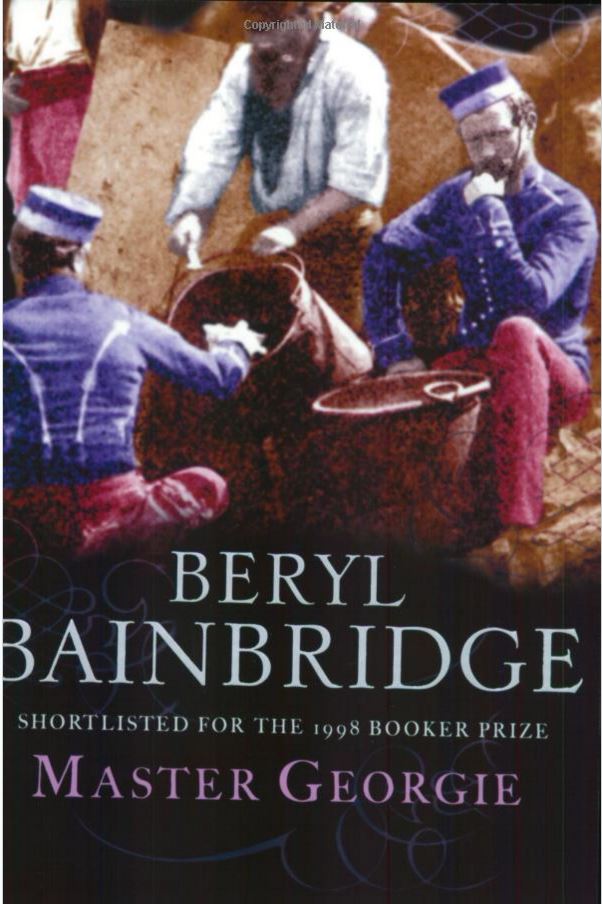
Master Georgie - Beryl Brainbridge


"Beryl, was on another level
( Beryl, every time they’d overlook her )

( 
Beryl, the tobacco overtook her )          
When she got a Booker medal
She was dead in her grave
After all she gave       
It’s too late, you dabblers

It’s all too late"           
                 ("Beryl" - Mark Knopfler)


Five times the Bridesmaid, but never the Bride. When she did become "The Bride", "she was dead in the grave". Posthumously "they" did award her a Booker, a special award to the one they thought was the best among her five nominees, which "Master Georgie" managed to win." Master Georgie,  was, somewhat obviously, the book chosen to read.  I, myself heard of Beryl through Knopfler's song, , from his amazing 2015 album, Tracker.( Mark Knopfler performing "Beryl", with an afterword about the Authoress )

It is a book of concise length, running not much more than 200 pages. A novel based on the Victorian times, we find the four main characters in the forsaken fields of the Crimean War, half way through book. The descriptions on the fields of war are gory, misery-stricken and somewhat grotesque. Yet, the reader feels, as if the author has made an effort, to make the incidents appear everyday, unattached and with a sense of passivity. While Suffering is common in such a place as a war field, those who are not injured, or their closest not injured, or dead, would find their days rolling amidst the misfortune and misery of others and the wheels keep turning. The narration style with respect to the misery, reminded me of Auden's poem,
"About suffering they were never wrong,The old Masters: how well they understoodIts human position: how it takes placeWhile someone else is eating or opening a window or just walking dully along"

For example feel the sense of the unattached in the following extract: 
"They carried in a drummer boy a few nights back. He was not above twelve years of age and had been put to work in the trenches, there being so many casualties. In the act of shovelling up dirt, body bent and his right hand holding the handle of the spade, he was struck by a round shot which passed between his legs, laid bare an artery and ripped off his cock and scrotum. They hadn't been able to bring him in right away owing to the ambulance wagon getting stuck in the mud. He was put on the table, where he jerked like a fish on the hook"

The misery is present, but the pain is dilute as the narrator - one of three in this novel -  Pompey Jones, ( a street urchin from London and a  gay lover of George's through strange circumstance, who makes good and turn up at the Crimean war front, as a photographer - an art he learned from Georgie - himself an enthusiast), tells us this unbearable story. This passivity is not something confined to this narrator - Myrtle, an adopted member of the Hardy family, hopelessly in love with George, so much so that she had won him over from his other orientation at times, has a similar tone when she recounts, thus:

"A single beam of sunlight pierced the branches, framing in shimmering silver the outline of a man standing in the middle of the path. As we drew nearer he made no attempt to step out of our way and we were forced to rein in the horses. He stood with his arms wrapped about himself, as though he was cold, and stared past us. Following the direction of his petrified gaze, I swivelled in the saddle and looked behind. The country boy still sat with his back to the tree, only now the pink had quite gone from his cheeks and his skin was mottled, like meat lain too long on the slab. He hadn’t eaten all the cherries; flies crawled along his fingers and buzzed at his mouth. There’s a sameness about death that makes the emotions stiffen – which is for the best, else one would be uselessly crying the day long. "
But this atmosphere of being distanced and unattached, to the horror and misery on the ground, is but only one aspect of the novel. From page 1, the book moves forward at  quite a trot, and if one is not careful, one can miss an important part, for these are not given prominence, in the matter of fact narration,  but appear within the same dense roll-on, with a minimum fuss. The authoress herself has apparently stated that this book needs to be read three times to comprehend ( I didn't - I think I grasped most, in a slow single read, for I do not have time or the effort for three readings of a novel ).  For example, the real connection between Myrtle and George Hardy, is mentioned with the least amount of emphasis.


The third narrator is George's philosophical and Libidinous Brother-in-Law,  His narrations are that much more analytical, and I found gives the book an essence of weight against, the somewhat passive tones of Myrtle and Pompey Jones - for both of whom it is only the personal accounts which carry weight. For Potter, it is a comparison against history. In this sense too the authoress appear to have chosen her narrators carefully to give it an overall balance. There is also automatically a fourth point of view- that reads the accounts of Myrtle, Pompey Jones and Potter, constructs George Hardy from therein and builds a bird's eye view of the total narration. That is of the Reader - you and me. Note that George, the main subject is never the narrator. We see him through the eyes of three people, related to George in various degrees of affection and guilt. Through the eyes of the street urchin, who is grateful for what has been done for him, yet grudges the ever present disrespect ; through the eyes of Myrtle, in whose eyes "Master Georgie" can do no wrong, and who is ready to do absolutely anything for him. And Potter, who regards Georgie as a tempestuous fool, a feeling somewhat similar to how George regards Potter, except for the tempestuous part, with pomposity replacing the adjective. 

This is not an easy breeze of a read. It is a novel with many a technique of the art condensed, a dense narration and with a subject matter as painful as can be, but painted with a brush, at times  nonchalant, and  at others brazen, but almost never emotional,  If there is anything missing, it is the emotions, and I am quite convinced that this is not a defect . Sure, there will be much of that on the reader's minds as she constructs the full picture. But the distanced feel that the authoress gives out through the narration reminded me  of Hemingway, especially on "Farewell to Arms". Virginia Woolf's method of narration, as she employed in Jacob's Room can be detected too, but it has to be conceded that "Georgie" is much much more present in these accounts, than Jacob ever was.  


Thursday, 7 January 2016

Dance of the Happy Shades - Alice Munro


"Memory is the way we keep telling ourselves our stories - and telling other people a somewhat different version of our stories." ( Alice Munro)


This is the second of the short story collections  I've read of the Nobel laureate, and apparently her first ever short story collection published.  Munro first published this collection in 1968.


 These stories are set either in  a bleak environment- either freezing cold, either desolate as a grave yard, or even when it's get crowded never more than  a small town where every one knows everyone. Most of it is  based in Jubilee (wherever that is - I think Jubilee is  featured high in "Runaway" too .  ) The title of the book is a misnomer, since happy shades are very few and far between in this collection.  I am not in anyway inferring it is sad collection of stories, but the subtle descriptions, the episodes either tragic, either inevitable,  and even when it is happy (comparatively - I could identify  three, when I was very label with the label ), the overall mood of melancholy is weighty - it is as if  an unbearable content of overnight dew  is making  the leaves wilt - a phenomenon that leaves are addressed by nature to handle ).   Munro is never afraid to show the vey human ugliness at it's worst. Even when there is reason not have a feeing of despair bound with the stories, they come out as a victory after a struggle , or from a gory set back. Apparently Munro, hails from Huron County where her father raised foxes (and later Turkey ) and to her it was a most interesting of places. Huron county is deeply embedded in her stories that it is even referred to as Munro County. Some of the ingredients of these stories are from the Wingham (where  she grew up ), and the people are not exactly pleased, detecting traces of their lives in it.


(Summary of  the tales with hardly any "spoilers" ) Here we find husbands finding temporary solace in old flames, and the children concurring with their father, for they comprehend what the father has to bear with the mother - we come across  daughters who had fled from ailing mothers trying to save themselves, but unable  to,  despite their efforts   - we find ourselves party to a modern and new set of neighbours  who plot to  drive  out  the last old neighbour with her old fashion ways  and methods ( or rather the lack of it ) - there are girls with cool stares whose love & hate for their grandmothers could wish them dead, and yet congratulate granny for her steel, in death - poverty stricken families, in which the girls are "available" , and they on their part can do nothing more than show sarcasm - the sudden pace with which a tomboy turns to a proper girl ( one of the more pleasant stories here, despite the gory background ) -  the unbearable weight  of an accidental death of a child, on his sibling  - how  the mind of a child reacts to an illness ( and death ) of a friend, albeit an insignificant one - coming to terms with parents with whom an adolescent has hitherto been uncomfortable, an appreciating them (another happy tale - see I've been very generous)  - the slow revelation of the mind of a weird man to his lady tenant, whom he stalks   - how an "almost"  engagement broken unceremoniously becomes news in a small town, and how the injured party reacts to it - how a once respected piano teacher attempts to sustain her societal place despite her change of her fortune, going an extra mile at her own cost - and how an adolescent's first raw experience with drink, serves up to be a cure for her in a small town, despite all the temporary fuss.


Through these stories, the reader becomes a resident of Huron County, with all it's bleakness, the cold, the loneliness, the beauty of grass fields, the barns, the creeks . It is simultaneously beautiful to imagine, but too cold and lonesome to bear (If anyone is contemplating migrating to Canada, they may think twice ).  Most incidents which work as the core, are nothing more than an a mere happening in a provincial town - it is the author's ability to bring herself to become a character around that core happening, narrating it in first person, capturing the nuances, the moods, the weather , the smell of the barns, the darkness in the shaded living rooms, the grind of the gravel as they walk along the creek, the subtle hopelessness, the animosity, the paranoia of these friends, relations etc.  which make this collection so organic.  In all of these stories Munro doesn't fail to highlight the human aspect, mostly through its' failings, in these every day characters.  We can relate to these human failings, the human natures which make this a wholly rewarding read.


If you love subtle, unrushed, organic narrations with the challenges that humans face-people of all walks of life, from little girls to the ailing old presented as if you were party to these characters, don't miss out on this.  I am tempted to break my resolution of keeping to my Reading plan, and starting forsaking  such masters as Camus, Dostoevsky and Eagleton with whom I've already started on a journey, to live another  a week or so in cold, desolate Huron County with Alice Munro.  

(Pictures : Munro's childhood home in the outskirts of Wingham ; Munro walking along the Huron ; Book Cover )