Saturday, 11 February 2017

The Sellout – Paul Beatty


“Unmitigated Blackness is essays passing for fiction…Unmitigated Blackness is coming to the realization that as fucked up and meaningless as it all is, sometimes it’s the nihilism that makes life worth living.”

Using humour, Sarcasm and Satire as Garbs, Paul Beatty has written a novel which questions the ethnic awareness innate in all of us, present in various degrees, some pronounced, others not so much, but ever present like a defilement or as an extrinsic. I feel it would be  a grave injustice to label this book  as pro-Black Fiction or under any such partisan theme – yet, it is based on a  minimalist pro-black foundation ( in contrast to Black foundation, which it undoubtedly is ).  It is more of an account of how this identity works in subtle ways, throughout our lives. In this narration, the narrator, “Me” by name, "Bonbon" by nickname, shows how most of his predominantly Black environment understands and reacts to America’s modern version of subtle, concealed racism. And we see examples of them, across the book.

“When a white bitch got problems, she’s a damsel in distress! When a black bitch got problems, she’s a welfare cheat and a burden on society. How come you never see any black damsels?”

“I seriously doubt that some slave ship ancestor, in those idle moments between being raped and beaten, was standing knee-deep in their own feces rationalizing that, in the end, generations of murder, unbearable pain and suffering, mental anguish, and rampant disease will all be worth it because somebody my great-great-great-great-grandson will have Wi-Fi, no matter how slow and intermittent the signal is.”

“Remember those photos of the black president and his family walking across the White House lawn arm-in-arm. Within those fucking frames at that instant, and only in that instant, there’s no fucking racism.”

Me’s dad, a genius social scientist (the “sole practitioner of the field of Liberation Psychology” ), used  his disappointing son was a convenient Lab Rat for most of his experiments. The changes happening in the neighbourhood - the change of the name of his city, “Dickens” which had a black identity (albeit a bad one), to a new one unannounced and  on the sly, and  the changes in his friend Hominy Jenkins, ( a former child star who never got his chance in his youth to fulfill his promise, now in his eighties and a little unstable )  who prefers to be a  slave to him, calling him the Master, make the narrator realise that not stressing ethnicity is counter-productive. . He then plots to bring back Racial segregation as a means of rebuilding his society.  It is subtly argued that  whatever ambition a relatively backward community can glean out to succeed, dilutes and disappears in the act of integration with a stronger, big other.  

On the subject of integration:
“you can’t force integration, boy. The people who want to integrate will integrate.” I’ve never figured out to what extent, if at all, I agree or disagree with him, but it’s an observation that’s stayed with me. Made me realize that for many people integration is a finite concept. Here, in Amercia, “Integration” can be a cover-up. “I’m not racist. My prom date, second cousin, my president is back (or whatever).” The problem is we don’t know whether integration is a natural or an unnatural state.”

It is this “cover up”, which bothers our narrator and makes him take up certain actions, which soon lands him in trouble ( The book starts with Me, at the doors of the Supreme Court of the United States of America ).

The humour is not confined to ethnic flavours. See the below for example:
“A Jaguar, one of those ugly American-made models was overturned in the fast lane. Its turtlenecked passenger unhurt, leaning against the median fence and reading a hardback novel you see only at airport bookstores. The rear-ended Honda sedan with both its back and its driver flattened and smoking, lay in the middle lane waiting to be carried to the junk and graveyards, respectively. Jaguar model names sound like rockets: XJ-5, XJ8, E-Type. Hondas sound like cars designed by pacifists and humanitarian diplomats. The Accord, Civic, insight.”

The Label, “The Sellout”, too is a misleading one, for the label comes from one who makes a living  out of the woes of others, and out of other people’s theories. Not withstanding the satire the book is oozing with, it is not always an easy read. For, as the narrator hints himself it is “an essay passing for fiction”. The book is filled with witticisms, at least some of which don’t have the same level of comprehension to us of a different cultural setting.  I honestly feel that I will never be able to enjoy the book as much as an American would. That is not to say that it shouldn’t be read, No. It can be read, and can most definitely be enjoyed too. Some knowledge of American popular culture would go a long way to make the most of this book – it is rich with references to famous characters – from Gary Coleman to Tupac to Prince ( of course, when is he ever absent ? )  to NWA,   Highly recommended for Readers who like Satire, and those with a keen eye for ethno-cultural subtleties. 

Friday, 3 February 2017

එක ම කතාව - ගුණදාස අමරසේකර


ප්‍රථම වතාවට 1969 දි ප්‍රකාශ වූ, ගුණදාස අමරසේකරයන්ගේ එක ම කතාව නම් වූ කෙටි කතා සංග්‍රහය කියවුවෙමි. මෙය ඔහුගේ තෙවෙනි හෝ සිව්වැනි කෙටි කතා එකතුව යැයි සිතමි. රතු රෝස මල සහ ජීවන සුවඳ හි නොමැති දේශපාලන මේරීමක් අමරසේකරයන් මේ තුලින් දෘෂ්‍යමාන කරයි. එපමණක් නොව මේ කෘතිය ප්‍රකාශයෙන් වසර දෙකක් අනතුරුව අප රට ඇති වූ ප්‍රථම කැරැල්ල, පිළිබඳ ඉතා සියුම් හෝ ඉවක් මේ කෘතිය ඔස්සේ හමන්නේ යැයි සිතිය හැකිය. ඒ අතින් අප රට මැද පංතියේ මිනිසුන්ගේ දෛනික ගිහි ජීවිතයේ ඇති උභතෝකෝටික, සමාජ -දේශපාලන කලකිරීම, සහ අප රට විසූ කීර්තිමත් කලාකරුවන් අලලා කල කර්කශ විචාර කෙටිකතාවක් ඔස්සේ ඉදිරිපත් කරලීම යන ප්‍රධාන ලක්ෂණ මේ කෘතිය තුලින් දැකිය හැක.


පසුකාලීනව ඔහුගේ දේශපාලන අනාවැකියක් සහ බලාපොරොත්තුවක් වූ ( එනමුදු ඔහු කියන අර්ථයෙන් කිසිදා සැබෑ නොවුනු ), "මෙරට අනාගතය ඇත්තේ උගත් ගැමි තරුණයන් අතේය" යන අදහස මුල් වරට කියවුණේ මෙහිදී දෝ යැයි කල්පනා කරමි. ඒ මෙහි එන "උපකොමසාරිස්" නම් කෙටි කතාවෙහි ය. එහි ම එන "අපි ආවෙ ලොකු චරපුරුෂ කාර්යයකට. අපි අද මෙහේ තරුණ සංවිධානයක් ආරම්භ කරනවා. ඒකට අපේ සහෝදරයො දෙදෙනෙක් කොළඹින් ඇවිල්ල ඉන්නවා", යන ප්‍රකාශය තුල 1971 ඇති වූ පළමු දේශපාලන කැරැල්ලේ ඉවක් ඇත්දෝයි සිතේ. මෙරට දේශපාලන ව්‍යූහය කෙතෙරම් පිළිකුල් කල ද, තමන් තුලින් ද  පංති ස්තර ඔස්සේ ඇට මිදුළු වලට කා වැදී ඇති මහන්තත්තය පිටුදැකිය නොහැකි වීමත්, තමන් ළඟා කරගෙන ඇති සැපයන් ඈත් කරලීමට පැකිලීමත් ඉතා මැනවින් මේ කෙටි කතාවෙන් පිළිඹිඹු වෙතැයි සිතමි.


අප රට විසූ කීර්තිමත්, එලෙසම අතිදක්ෂ කලාකරුවෙකුගේ පෞද්ගලික දිවියට ද අපහාස වෙන ආකාර නිර්මාණයක් ද මෙහි වෙයි. ඒ කෙටි කතාව කියවාගෙන යද්දි පාඨක අපිට මේ කියනුයේ මොහු ගැන නේ යැයි ඒත්තු ගැන්වෙන නිසා ය. ඒ  "එක් විදග්ධයෙක් හෙවත් අපූරු වන්දනා ගමනක්" යන කෙටි කතාව ඔස්සේ ය.
"තමුසෙත් සිංහලයෙක්නේ.. සිංහල ඈයින්ට තේරෙන එක ම තූර්ය භාණ්ඩෙ දවුල විතර යි... කන පැළෙන ඒවඉන් විතර යි රසයක් විඳින්න පුළුවන්... සිංහලයාගේ ඕළාරික භාවේන්ද්‍රියවලට මොන සියුම් රසයක් ද?"  මෙසේ කියා, අනෙක් පැත්තෙන් ඉන්දීය සංස්කෘතිය වැනීම ඔස්සේ, කෙතෙරම් නිවැරදිව එම කලාකරුවාව මින් නිරූපනය වන්නේ දැයි නොදන්න මුත්, ශරීර ලක්ෂන, ඔහුගේ ආවාහ විවාහ ආදියෙන් අමරසේකරුන් මේ ඇණුම් පද ගසා ඇත්තේ කවුරු ගැන දැයි වැටහේ. අමරසේකරයන් ගැන මට ඇති පැහැදීම සුළුවෙන් හෝ අඩු කිරීමට සමත් වූ කෙටි කතාවක් බව නොකියා ම බැරි ය. ඒ කෙටිකතාවේ දොසකට නොව, ඔහු අනුගමනය කල පිළිවෙත පිළිබඳව ය.

මීට යම් සමානතා පෙන්නුම් කරන කෙටිකතාවකි, මෙහි එන "නවකතාකරයකු ගේ ජීවිතයක්" යන කෙටි කතාව. නවකතාකරුවෙකු, තම විෂය උදෙසා භාවිතා කරනා සිද්ධීන් පිළිබඳ යම් පිළිඹිඹුවක් මෙහි දැක්වේ. මෙහි එන නවකතාකරුවා කෙතෙරම් ආර්මාර්ථකාමියෙකු ද යන්න ඉතා හොඳින් පෙන්වන,   ඉතා ඉහළ තලයේ නිර්මාණයක් ලෙස මෙය දකිමි.


මෙහි එන "එක ම කතාව" මා තුල යම් කම්පනයක් ඇති කරලීමට සමත් කෙටි කතාවකි. අයෙක් අවුරුදු ගණණාවක් පුරා පුරුදු වූ ජීවිතයෙක් ඈත් වී හිඳිද්දි, ඔහු ගේ අලුත් සිතුවිල් රටාව අනුව, තමන් පෙර කල රසවිඳි පරණ කතා අලුත් ආකාරයෙන් දැකීම, ඒවා තම නව වටපිටාව හා ගැලපීම ආදි මාන ඔස්සේ මා මහත් සේ රස විඳි කෙටිකතාවකි.
"සිරුර තුළ ඇඹරෙන වේදනාව ගසාදමා මා උන් තැනින් නැගිට කාමරයෙන් එළියට ආවේ කිසියම් කෝපයකිනි. මෑ මේ සියල්ල කියන්නේ කිසි දු සිත් පිත් නැති පුද්ගලයකු ලෙස නො වේ ද ? මා මෙයට කලකට පෙර මේ පුවත අසන විට ශෝකි ස්වරයක් දැන් ඈ තුළ නැත. මගේ හදවත සියුම් අවියකින් කැබලිවලට කපන සුලු මේ තොරතුරු ඈ පවසන්නේ ඉන් කිසියම් ආස්වාදයක් ලබන්නියක මෙන් නොවේ ද " මේ ඔහු සිතින් දෝෂාරෝපනය කරන්නේ ඔහුගේ මව ට ය.


මීට සමාන මාතෘකවක් ඔස්සේ නිර්මාණය වූ කෙටි කතාවකි "අතරමඟ" යන කෙටි කතාව. තම විවා පත් වූ අයියා සමඟ අමනාපයෙන් සිටින්නී, පෙර අයියා සමඟ ගත කල විනෝදමත් කුඩාකාලය මතක් කරමින් තමන් තුල ඇති ඉච්ඡාභංගත්වය පිළිඹිබු කරන කෙටිකතාවකි.
   

තම දෙමාපියන්ගේ බලාපොරොත්තු මත තම දිවිය දිය හැරි,  මැදි වියට ලංවූවෙකු, අමුත්තෙකු වශයෙන් පැමිණි තම යටත් නිලධාරියා සහ ඔහුගේ අලුත ගෙනා මනමාලිය ඔස්සේ තම සිත තුලට ස්ත්‍රී පහස එබිකං කරන අයුරු, ඉතා සියුම් ලෙස පෙන්නුම් කරනා රසවත්, එලෙසම සාර්ථක නිර්මාණයකි, "ධර්මසේන".


මෙහි එන "සිතුවම් පට" යන කෙටි කතාව තුල "ගන්ධබ්බ අපදානයේ" සියුම් හෝ ආභාෂයක් ඇත්තේ දෝ යි සිතේ. මුළු කෙටිකතාව ම සවසක මිතුරෙකුගේ පැමිණීම බලාපොරොත්තු වීමත්, ඒ ඔස්සේ අතීතාවර්ජනය සහ තත්කාලීන සමාජ දේශපාලන දිගහැරීමක් වන "මිතුරා බලාපොරොත්තුවෙන්" මෙහි එන අනෙක් කෙටිකතාව යි.
  
දුර්වල යැයි කිවහැකි කෙටිකතාවක් නොමැති මෙම සංග්‍රහය, අමරසේකරුන්ගේ සංක්‍රාන්ති සමයක ලියවුන්නක යයි සිතේ. ගමේ ජිවිතෙන් මෑත්ව නගරයට හුරු වීම, නොහොත් ගම අත හැරීම, සමාජ දේශපාලනය, නිර්මාණ කරුවන්ගේ මනෝභාවයන් යන කාරණා ඔස්සේ කෙටිකතා  බෙදී ගිය සාර්තක කෙටි කතා සංග්‍රහයක් ලෙස නම් කල හැකිය.

Saturday, 28 January 2017

සුසුමකින් සුළි සුළඟ - ලක්ෂාන්ත අතුකෝරල


"මොට්ටුවක් මලක් වන්නා සේම සුසුමක් බඳු යම්තමින් පිඹින ලද අදහසක් කිසියම් විඳින්නෙකුගේ සිත තුළ හැඟුම් සුළි සුළඟකට මුල් විය නොහැකි ද?"
( ප්‍රස්ථාවනාවෙන් උපුඨනය කර ගතිමි )

    පිලිතුර - විය හැකිය; ඒ කෙසේද යත් ?

නිදසුන් 1 -
"දැවෙන මුත්
සිනාසෙනවා මිසක
හඬන්නේ කෙලෙසින්ද
ගිනි පුපුරු"
    විප්ලවය පතන්නන්, ඒ වෙනුවෙන් කැප වූවන්ගේ සහජ ලක්ෂණයක් ද සියළු බාධක වලට එඩියෙන් මුහුණ දීම, නැසුමට පවා? කවියා මා සිත් තුල සියුම් සුළියක නංවයි.

නිදසුන් 2 -
"සුරාවෙන් දුක
මකන පියෙකුගේ
සාක්කුවේ
රස කැවිල්ලක්"
    පාඨකයා කම්පනයට පත් කල හැකි ආරේ සුසුමකි; කතා සුළි වැලකට මුල් විය හැක.

නිදසුන් 3 -
"ප්‍රේමෙන් අඳ වී
කොළ එළි නොපෙනී
නුරා නුවර ඉම
නැවතී සිටියෙමි"
   පශ්චාත් තාපයක සේයාවක් වෙත් ද ? එනම් අද දවස සිට අතීතාවර්ජනයේ යෙදෙන්නේ පැරදුම් කණුවේ  සිට සිත සුළියකට හසු වී අනතුරුව ද?

නිදසුන් 4 -
"එසඳ නගරයම පීරා
සොයා ගත් ඔබ
අතුරුදන් වී
මා තුළම අද"
      අප වන් රටක තරුණියන් කී දෙනෙකු තම ස්වාමියාගේ මනදොළ, අභිලාශ පුරවනු වස් තම අනන්‍යතාවන් හැකියාවන් දිය කර හරින්නියන් ද ? අන් කෝණයකින් බලන්නේ නම්, මල නෙලා ගත් පසුව, ඇගේ මනදොළ ගැන සිතන පිරිමින් සුළභ ද ?

නිදසුන් 5  -
"ගිළිහුණු
මල් අතර අනේ
පර වුණ
පොඩි පොහොට්ටුවක්"
  පොත් දොරට වැඩුම දින මේ කව ගැන තම දේශනයේ සඳහන් කල තිඹිරායගම බණ්ඩාරයන් මෙය කවියා හදිසියෙන් ලියූ කවක් යැයි සැක කලේය. එහෙත් නිවෙසට විත් සෙමින් පොත බලන අතරේ මා දුටුවේ, කවට අදාළ සිතුවම මේ කව ට අරුත් එක්කාසු කරන බවකි. මට නම් හැඟුණේ යුධයක්, උද්ඝෝෂණයක් තුල දිවි පිදූ තවම නොපිපුණු දරුවකුගේ සේයාවකි.

නිදසුන් 6  -
"අලුත් නුවර
සුදිලේ විදුලි පහන්
සිත දවයි
පැරණි ගිනි හුල්"
  තිඹිරියාගම බණ්ඩාරයන්  තම දේශපාලන මතය අනුව විමර්ශනය කරමින්, වත්මන අලුත් නුවරක් බවටත් මීට පෙර තිබූ "ජාතිවාදි-ආගම්වාදි" ගිනි හුලු සිත දවන බවත් ඒ ගිනි දලු තවම නැගිටින්නට තනන බවකුත් කීවේ ය. කවියේ අරුත් දැකීම සාපේක්ෂ ය. මට නම් හැඟුණේ, දැන් නම් අලුත් නුවරවල් ඉදිවන්නේ නැති හෙයින් සහ දැල්වෙන විදුලි පහන් ද කවදා නිවී යයි දැයි සැක සහිත නිසා, මේ කවේ පසුබිම ඊට වඩාත් පෞද්ගලික ලෙසය. එනම් අද දින නිදහස් චතුරස්‍රය වන් තැනක ට ගිය මැදිවයස් අයෙක් වී නම්, පෙර මෙතරම් නොදිදුලන කලෙක මතක ගිනි හුල් ඔහුගේ සිත කෙසේ තවාවී ද යන කාරණායයි. බණ්ඩාරගේ කවි අරුත් දැකීම ට දොසක් නොකියමි; කවියේ රස විඳීම, හා අරුත් දැකීම සාපේක්ෂ බව පසක් කර ගතිමි.

නිදසුන් 7  -
"පෙරහැරේ
නටන මට
පෙරහැරකි
පෙර්හැර බලන ඇය"
     සිත පොපියන, පාඨකයා නැට්ටුවක චරිතයක් ලෙස ආරෝපණය කරවන සුළු දඟකාර කවියකි. මෙවන් කවි කිහිපයක් ම "හිතග්ගිස්සේ නැතක් මොට්ටු" හි ද විය.

නිදසුන් 8  -
"ළපල්ලක
සිහින් මල් කැකුළක්!
දන්නේ නෑ තව
කවුරුවත්"
      අන් "විෂකර" බිඟු විත් රොන් උරා බීමට පෙර, මේ බඹරා ඉක්මන් විය යුතුය! සිතේ උද්‍යෝගිමත් සුළියකි!

නිදසුන් 9  -

"රතු කොඩිය ගෙන
රේල් ගේට්ටුව දෙසට
දුවයි මුරකරු"
   අහෝ! මුරකරු ප්‍රමාද වැඩි වී ද ? ( චිත්‍රය සමඟ කව අරුත් කියවමිනි )

   ඉතින් මේ කෙටි කවි 150න් නවයෙකි. මේ නිදසුන් උවමනාවටත් වැඩිය. සංග්‍රහයේ වටිනාකම වැඩිවනු වස්, කවියාගේ පළමු කෙටි කවි සංග්‍රහයේ කවි 150 ක් ද පරිශිෂ්ටයක් ලෙස එක්කාසු කිරීමට තරම් ලක්ෂාන්ත නොමසුරුය. නැවුම් නිමාවෙන් සිත් බඳනා කව් පිළිඹිඹු වලින් හෙබි, ඔප් නංවන ලද කඩදහියෙන් පෝෂිත මෙහි තව ද පිටපතක් ගෙන, සාලයේ ටීපෝවේ තබන්නට සිත් දෙන්නේ, මෙය අර කියනාකාරයේ "කෝපි මේසයක" ට ඔබින නිමාවෙන් යුක්ත නිසාවෙ නි. ආත්මෙට කවියක් කියවන්නේ නැති අවාසනාවන්තයෙකු, වාසනාවන්ත වී පොතේ පිටු කිහිපයක් පෙරළා මින් යම් රසාස්වාදයක් ලබාවි නේ ? එනුමුදු කවියාගේ අත්සන රැගත් මගේ පිටපත උන්ට නොදෙමි. සිතුවම් සංජීවි සෙනෙවිරත්නගෙනි.


Sunday, 22 January 2017

සර්පයකු හා සටන් වැද - කේ.කේ. සමන් කුමාර


"අපි සර්පයාට තලා එලවා දමන්නට සැදීමු. එහෙත් ඌට අපේ පහරවල් දැණුනේවත් නැත. ඌ මහත් සේ වැඩී අප වඩා දරණ ලා සිටියි.
  අපට ඌ මැරිය නොහැකි වනු ඇද්ද? අපි මුගුරු ගෙන දෑතින්ම ඌට තලමු. ඌ අද හෝ හෙට මිය යා යුතුය. නැතහොත් ගල්මුල්වලින් වැසී අපත් සමඟම මිය යා යුතුය." ( 35 පිටුව )

   මේ උදෘතය කේ.කේ. සමන් කුමාර ගේ 'සර්පයකු හා සටන් වැද' කෙටි කතා සංග්‍රහයේ එනමින් වූ කෙටි කතාවෙනි. එම කෙටි කතාව සැලකුවහොත්, එය පිටු තුනක් ඉක්මවන්නේ මදකිනි. ඒ පිටු තුන තුල, කෙටි කතාවේ මුඛ්‍ය්ය චරිතය ට තම දියණියගේ උත්පත්තිය, බිරිඳගේ වියෝව, දැරිවිය වැඩිවියට පත්වීම, ඇගේ ස්ත්‍රීත්වය පිළිබඳ ඔහු තුල වූ සඤ්ඤාව, ඇගේ සරණ බන්ධනය හා එහි දෙදරා යාම, ඇගේ අන් සබඳතා, ව්‍යාභිචාරය සහ එය පිළිගැනීම යන්න, පාඨක අපට දැනෙනා අයුරින් රචනා වී ඇත. කෙටි කතා දොළසකින් හෙබි මෙම සංග්‍රහයේ, පාඨකයා මහත් කම්පාවට ලක් කරන නිර්මාණය මෙය වුව ද, අනෙක් කෙටි කතා ද ඉතා සාර්තකය. මෙම කෙටි කතා දොළසටම සමන් කුමාර වියදම් කොට ඇත්තේ මුද්‍රිත පිටු 43කි. මා සතුව ඇති විශේෂ "Collector's" මුද්‍රණයේ පෙරවදනකින් ද,පසුවදනකින් ද, උපග්‍රන්තයකින් ද, සර්පයකු හා සටන් වැද කතාවේ ඉංග්‍රීසි පරිවර්තනයෙන් ද හෙබිය. මෙම අවශේෂ කොටස් පිටු අසූ හයක් පුරා පැතිරේ.

එක් ටැමකින් පොළවට - ප්‍රේමය, පෙම් කරන්නාගේ මනෝභාවය දෘෂ්ඨිය වෙතට කබඳු ආකාර බලපෑමක් සිදු කරන්නේ ද යන්න පිළිබඳ යතාර්තවාදි සීමාව සියුම් ව එහා මෙහා කරමින් ලියැවූ අපූරු නිර්මාණයකි. මේ කෙටි කතාව ලියැවුණේ රචකයා තරුණ වියේ දී බැව් සලකද්දි, ඔහුගේ ජීවිතාවබෝධය සහ කෞශල්‍යය පිළිබඳ ඇගයීමක් අපට ඇති වේ.


අපබ්‍රංස කතාවක් - දිවි තොර ගැනීමේ අටියෙන් සිටි ඇය,  අනතුරුව බලහත්කාරකමකට ලක් ව, තමනට බලහත්කාරකම් කල ඔහු වෙත සිතක් පහළ වීමේ අමුතු පෙරළීමකින් යුතු කතාවකි.

දේශ ද්‍රෝහියාග්ගේ පෙම්වතිය-පෙම්වතියක්  තම පෙම්වතා තමන්ගේ රාජ්‍යයට විරුද්ධ වීම, ඔවුන් අතර ඇති බැඳීම කෙරෙහි කෙසේ බලපායි ද? වෙසෙසින් ඔහු කලින් නිර්භීත ජාති හිතෛශියෙක් නම් ?

මගක් වසා මගක් - මවක ගේ ඉරණම කෙරෙහි දුවක් පිළිකුලින් යුතුව බලන්නි, ඇයට ද එම ඉරණම ට මුහුණ දීමට සිදු වූ විට එම මවගෙන් ම උපකාර පතන්නේ කෙසේ ද? එම  මවගේ ක්‍රියා කලාපය නිරතුරු අවඥ්ඥාවට, ගැරහීමට ලක් වූවේ ඔවුන්ගේ දේශපාලන දර්ශනයට යටත්ව ය.

සුළඟට ගසා ගිය ගැහැනියක් - 1983 දී දකුණේ සිංහල සමාජයත් සමඟ, ඔවුන් විශ්වාස කල,  ඔවුන් හා අවාහ විවාහ කල දමිළ සමාජය ට අදහා ගත නොහැකි සිදුවීම් පෙළක් සිදු විය. දෙමළ තරුණෙකු හා පෙමින් බැඳුණු ඒ තරුණිය කුනාටුවකට හසු වූවාක් මෙනි.

පා පුවරුවේ ගිය මිනිහෙක් - පෘතග්ජන මිනිසාගේ ජාගර සිතත්, මැස්ලොව් නියමයේ ප්‍රකෘති අවස්තාවකුත් මතක් කෙරෙනා, සියුම් ගෙත්තමකි.

ලෙයත් කිරත් මුහුව ගියා - අයෙකුට තම අතින්, තම දොසින් නොවූව ද, ජීවිතහානියක් සිදුවුවහොත්, එම යතාර්තය සමඟ ජීවත් වීමට සිදු වේ. විටෙක එතැන හානියට පාත්‍ර වන්නේ එක් ජීවිතයක් නොව, දෙකකි. 

පුංචි විප්ලවකාරයා - පරම්පරා තුනක් විප්ලවය වෙනුවෙන් සිහින මැවූ අයුරු, වර්තමානයේ සිට අතීතාවර්ජනයේ යෙදෙන්නෙකුගේ දෑසින් දකිනායුරු ගෙත්තම් වී ඇත. විප්ලවය වෙනුවෙන් ඔවුන් බොහෝ දේ කැප කලෝය.

ගල්යුගයට පිම්මක් - රොකට් යුගයේ මිනිසා ගල් යුගයේ මිනිසෙකු ට ඇති ඥාතීත්වය, ඒ මුල් පෘතග්ජන අදහස් වල සෙවනැලි තවම සිතේ සොල්මන් කරන අයුරු, යතාර්තවාදි සීමාව විතැන් කරමින් ලියැවි ඇත.

ගිනි මැද පිනිබර මල් පිපුණා - යුද්ධය ස්වභාවයෙන් ම කුරිරු ය. සම්මතයන් ඉක්මවා යුද්ධය මුවාවෙන් අපරාධ සිදුවන විට, අයෙකුට එය විඳ  දරා ගත නොහැකිව තම පිළට ම විරුද්ධ ව නැගී සිටිය හැක. ඒ බොහෝ විට තම දිවි වන්දි වශයෙන් ගෙවමිනි.

ඇස් දහසක රෑ - වරදෙහි බැඳුනු ස්ත්‍රියක් බාරගත් පුරුෂයෙකුට, ඇය ජීවිතකාලයෙදී ම ණයගැති ව, දෙවියෙකුට වගේ සලකයි නම්, පෘතග්ජන ඔහුට එය කෙතෙරම් බරක් ද ?

පිටු දෙකේ සිට පහ දක්වා දිගු මේ ඉතා කෙටි, කෙටි කතා ගැන ඇවැසි නම් පිටු දහයක පහළොවක විචාරයක් ලිවිය හැක. කිමද ඒවා තුල එතරම් බරක්, අන්තර්ගතයක්  ඇති හෙයිනි. එහෙත් මම එසේ නොකරමි. අප රට පශ්චාත් නූතනවාදි චින්තකයකු ලෙස සැලකෙන දීප්ති කුමාර ගුණරත්න පිටු හතලිහක පසුවදනක් ලියා, එය මෙහි ඇතුලත් කොට ඇත. ඇත්තෙන්ම මේ කෙටි කතා දොළස කියවීමට වඩා දීර්ඝ කාලයක් මට එම විචාරය කියවීමට ගත විය. එහෙත් එම කාලය ප්‍රතිඵලදායක යැයි සිතේ. කිම ද මම එම අදහස් තනිකරම පිළිනොගත්ත ද, ඉන් අනතුරුව ජිජැක් ලියූ "How to Read Lacan" පොතත්, ගුණරත්න ලියූ ඇසිඩ් වැස්ස සහ හපුගොඩ/අලවත්ත මෑතක පළ කල ජිජැක් අධ්‍යයන ත් කියවීමට පෙළඹීමයි.

සර්පයකු හා සටන් වැද, යුගයේ විප්ලවීය කෙටිකතා එකතුවකි. මා එය  කියවූයේ වසර තිහක් ප්‍රමාදව ය ( මේ පොත මුලින් නිකුත් වන කල මා වසර දහයකුත් නැති තරම් ය ). සිංහල සාහිත්‍ය පරිශීලනය කරන, අධ්‍යයයනය කරන පාඨකයා අනිවාර්යයෙන්ම කියවිය යුතු කෙටි කතා සංග්‍රහයක් ලෙස කිසිදු පැකිලීමකින් තොරව ප්‍රකාශ කරමි.


Saturday, 14 January 2017

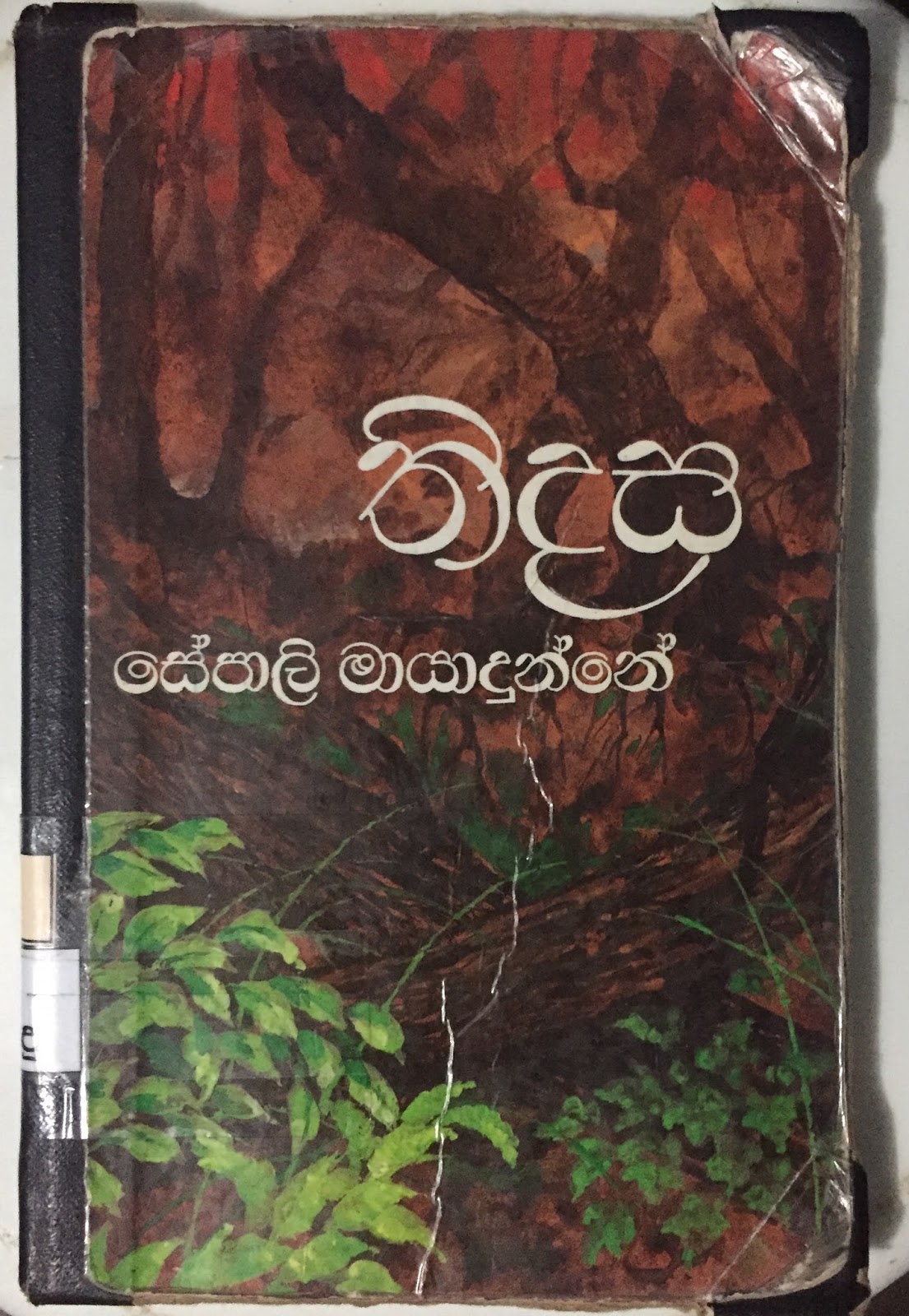
තිදස - සේපාලි මායාදුන්නේ


( හොඳම නවකතාව - රාජ්‍ය සාහිත්‍ය සම්මානය - 1997 )

        මේ නවකතාව, රාජ්‍ය සාහිත්‍ය සම්මානය දිනූ නවකතා කියවීමේ මගේ උනන්දුවෙන්, කොළඹ මහජන පුස්තකාලයේ තිබෙනු දැක, කියවූවෙමි. ගොඩගේ පොතක් වන මෙය, අද වන විට මුද්ර්‍අණයේ ඇතැයි නොසිතමි.

විසිවන සියවස මුල් දශකයේ පමණ අවිස්සාවේල්ලට නුදුරු, එහෙත් බෙහෙවින් ගම්බද ප්‍රදේශයක තතු මුල් කොට ගෙන ගෙතුණකි. කතුවරිය එම කාලයට සහ ගම් පෙදෙසට ඉතා උචිත බසක් මැ භාවිතා කරන්නීය.
"අර තෙලිජ්ජ බීපු උගුඩුවෙක් අල්ලාන ඌ මස්කර ගත්ත... කොහෙද.. හ්... අපේ ආරච්චියට ඒවා අරහං කියන්නේ... එයින් මෙයිං මටත් ඒකෙං පොඩ්ඩක් කන්ඩ පින නැති උණා. මං ඉතිං ළඟම තියන ගේනෙ කියල ඒක ඒමිසාට ගොහිං දුන්නා..."
මේ දෙබස් අප කතානායකයා වන සලොංචියාගෙනි. ගත වෙහෙසා වැඩෙහි දක්ෂයෙකු මෙන්ම කලාව ද යම් දුරකට පිහිටා ඇත්තෙක් වූ ඔහු, තම වැඩිමලු සහෝදරයා ගෙනා කතක් හා එකගෙයි කෑමට සිද්ධ වීමෙන් දුකට පත්වූවෙකි. අයියාය කියා බොහෝ දුරට කරබාගෙන නිසා ම බොහෝ සේ අසාධාරනයට භාජනය වන ඔහු, ගැමියන් බොහෝ වන්දනාමාන කරනා රුක්කත්තන ගසක් ද ඇති, අසල කඳු ගැටයක තමන් ම තෝරා ගත් ගැමි කතක් සමඟ පැලක් සිටුවාගෙන, හැකි තරමින් කටුසර බෝග වගා කරමින් යැපෙන්නේ, අය්යියා ඔහුට බිම්මඟලක් හෝ නොදීමත්, නීතිය ද සලොංචියාගේ පිහිටට නො ඒමත් නිසා ය. ගොයිතැනට දක්ෂ වුවෙකු වුව ද, පරිසරයේ සියුම් සමීකරණ නොදත් ඔහු ගේ ක්‍රියාකලාපය නිසා ඔහුත්, ඔහුගේ පවුල වූ ජය මැණිකාත්,  කන්ද පහල වෙල්යාය අස්වද්දන් කාපු ගැමියන් බොහෝ දෙනෙකුත් මහත් ව්‍යසනයට ලක් වන්නෝය.


"මිනිස්සු ඉන්ඩ ඕනෙ වටාපිටාවත්තෙක්ක හරකයි විය ගහයි වායෙ බැඳීගෙන... ඒ බැඳීම නැවතිච්ච ගමංම කරත්තෙ ඉස්සරහට ගමං කොරන එක වැලකිනව... ඔරු කන්ද මේ සම්මජ් ජාතියේ අස්වද්දපු තැනක් නෙමෙයි... මං උඹට දොස් කියන්නේ නෑ සලොංචි ළමයෝ... උඹට ජීවත්තෙන්ඩ ඉඩක්කඩක් නැතුව ගියාම මොකෝ උඹ පාරට බහින්ඩයැ... ඔය කොහේ හරි අහු මුල්ලක් එළි පෙහෙළි කොරගෙන උඹත් පැලපදියං වෙන්ඩ ඕනෙ නොවෙඤ්ඤං... උඹලයෙ ආරච්චි අයිය, ආගිරිස, සාරලිසා ඉඳලම හැම එකායෙම වැඩි තණ්ණාසෙ  හන්දා ඒ ඔක්කෝම වම්පරස් උණා... "
නවකතාව මිනිසා හා පරිසරය පිළිබඳ ඇති බැඳීම සහ සමබරතාව මතුකරතත්, ඒ නවකතාව ට මුඛ්‍ය පරිසරය, කාලය, ගැමි දිවි පෙවෙත හා සුඛනම්‍ය ලෙස වෙළී ඒ දේ සිදු කිරීමට කතුවරිය සමත් ව ඇත. 

එලෙස ම  ගමෙන් පීඩා විඳ ඉන් බැහැරට යන්නන් ද එක්කාසු වන්නේ ව්‍යාජ ලොවකට බව කතුවරිය අඟවන්නේ, සලොංචියා කොළඹ යෑම ගැන සිතුවිල්ලක් තුලින් ය. ඒ මෙසේ ය,
"කොළඹ ගමනේ මුල් පියවර සමඟ ම අත්විඳින වංචාව ඇස ගැටීමෙන් සලොංචියා බෙහෙවින් ම කළකිරීමට පත්විය. මේ සියල්ලෙන් ම අඟවන්නේ ඉදිරියට දිගින් දිගට තමා අත්විඳින වංචාව හා ව්‍යාජය යැයි ඔහු සිතුවේය. එහෙත් ගමේ නතරවී සිතින් දුක් විඳින් අතීත මතකයේ ඉදිරි වසර ගණනාවක් ජීවත්වනවාට වඩා ඒ ව්‍යාජයට ඔහු ල\වීමට ඔහු හිත හදා ගත්තේය. එවිට හොඳ හෝ නරක වුව ද පරිවර්තනයකට වුව ද ඉඩ තිබේ."

අප රට උක්ත කාලයේ සිදුවීම් ද පසුබිම් පරිසරයට එක්කාසු කොට ඇත... ධර්මපාල තුමා ගේ රට පුරා ගමන්, සේනානයක  මුල පිරූ ගොවි තරඟ, වාමාංෂික ව්‍යාපාරය ආදිය එහි පසුබිම් පරිසරයේ වෙත්. සලොංචියා අවසනේ ගමැතර යන්නේ, මේ වාමාංෂික ව්‍යාපාරයට ගමින් ගොස් බැඳුන අයෙකු ගේ බසකට අවනතව, ඔහුට වෙන් අන් බලාපොරොත්තුවක් නැති නිසා ය. මෙහි බොහෝ තැනෙක පරිප්පු මහත්තෙයෙකු ගැන සඳහන් වේ - ඒ ද පසු බිම් චරිතයක් ලෙසට ය. ඒ කවුදැයි නොදනිතත්, ඒ බොරළුගොඩ සිංහයා විරුදාව ලත් පිලිප් ගුණවර්ධන දෝ සැක මතු විය. එහෙත් ඔහු ජන්මය ලබා ඇත්තේ 1901 දී ය; ධර්මපාල තුමන් කලුරිය කලේ 1933 දීය. ඉතින් මේ දෙදෙනා එකම කාලයේ ක්‍රියා කාරි වූ යුගයක් නොවූ තරම් යැයි සිතමි.


කියවිය යුතුම ආරේ පොතක් ලෙස නොදකිමි. අද වන විට සිංහල සාහිත්‍යයේ අග්‍රගණ්‍ය කතෘවරියක් බවට පත්ව ඇති මේ ලේඛිකාවගේ මුල් කෘති අධ්‍යයනය කරන්නකු නම් කියවිය යුතු පොතකි. එහි සාහිත්‍ය රසයත්, ඉතිහාස රසයත්, පරිසර හිතකාමි පණිවුඩයකුත් ඇත. ඉතා කුඩා අකුරින් මුද්‍රණය වී ඇති එතරම් අපැහැදිලි පිටපත නම් කියවීම මදක් ආයාසකාරි කරයි. මා කියවුයේ 1997 දී ප්‍රකාශ වී ඇති පිටපතකි.


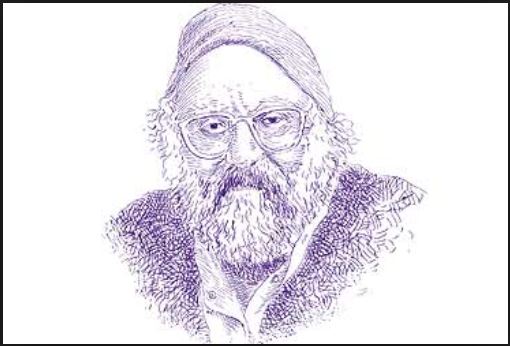
(ඡායාරූප - පුස්තකාල පිටපතේ ඡායාරූපය සහ පසුකවරයේ ලේඛිකාවගේ රූපය රැගත් ඡායාරූපය )


Wednesday, 11 January 2017

Lives of Girls and Women – Alice Munro


      First Published in 1971, this work has the, “at-once” distinguishing identification, of being labeled  a novel on its cover. The main character (Del ) whom we travel this narration with, from  a girl of ten or eleven years  –to an adolescent,  to her womanhood, is the pair of eyes we look at Jubilee with ( As most of Munro’s  work, it is based in Jubilee.)   Although labeled a novel, it is rather a collection of short stories – some not concerning Del or her family or relatives; other  concerning backward fox farmers; yet some concerning her immediate family, like her mother and her ambitions ; also focused is her adolescence ; her first experience with love ; her bout of academic ambitions, its fall and her discovery of sex. In these seven stories, which appear simple narrations on surface, show us,  the reader, the difficulty of getting away from an environment which inhibits you with its ways; how even after a generation, the fate that befell the mother could possibly come back to haunt the  daughter, even twenty years after, when the same factors, the same environment,  haunts to bring one down, not with standing how determined one is. Success is relative when viewed from the  eyes of the town, with the more ambitious being looked down upon. This is what ambition looks like for the average Jubilee resident:

"ambition was what they were alarmed by, for to be ambitious was to court failure and to risk making a fool of oneself. The worst thing, I gathered, the the worse thing that could happen in this life was to have people laughing at you."

 The timid  have a concealed grudge against the ambitious. The lives of the backward too is displayed in all its simplicity for better and worse. It is also a fascinating thing how the various Christian churches look at each other in a climate, where it is the main differentiating factor in a neighbourhood of people comprising of the same upbringing, same education levels ( broadly ) and same values and beliefs.

By the completion of this “novel”, or the various collection of tales as told by Del, the only single string which travel right through the novel, is the picture of Jubilee subtly  created inside the author’s mind. Only someone as devoted to ambition, with the family backing him like Jerry Storey's did, could
break away from the invisible chains that the town hold you with. The fact that Bobby Sheriff actually went to University but couldn’t still successfully complete it due to medical reasons, stresses the bleak picture of the  overall narration, which hints on how Jubilee bogs people down. The fact that Del’s bout of Love, does nothing but destroy her chances of higher of education, with some detail on what transpires on the eve of her exams, all suggest the general silent distress of the place.


Munro, has written a collection of related tales, to form a whole that says a lot about a rather small backward town, with its eccentricities, its accepted ways of life, and what is a rebel in the general view of Jubilee, and what courage and determination, not to mention fortune is needed for one to escape from Jubilee. Yet  the obstacles are almost co-incidental - other than for the fact it is not. There is a way of life, way of belief here, that stagnates the place. And Munro has written a well nuanced narration, which is both  charming, and yet distressing. The skill of the authoress, is that the reader keeps looking forward for the subtle grief that pores out of the whole work, which builds its  whole atmosphere.  Not withstanding the label “novel”, to me it is more inclined towards the “short stories” category.

Wednesday, 28 December 2016

Delhi - Kushwant Singh


Sometime last year, I bought a kindle edition of a book called "Collected Novels" by Kushwant Singh. My main reason for this purchase was to read "Train to Pakistan"; yet it came bundled with two more books - "I shall not hear the Nightingale" ( which I read last year, soon after Train to Pakistan ) and "Delhi". Delhi was the book which got left behind, and I've read this on and off throughout the year I think. The delay was mostly my own fault, for the book is a fictional re-write, of  possibly true historical accounts, over a period of 700 years - 1265 to1985, given the Kushwant Singh flavour. I am sure for someone who knows Indian history this book will be an absolute treat. I too read Indian history extensively, but  about nine years back ( for an academic purpose ) , and without a revised course, I couldn't recall most of the characters. Why do you think it warrants such accolades if I don't remember the little Indian history I read ? Because the twentieth century  era, with special emphasis on Mahatma Gandhi and Indira Gandhi, is so captivating in the narration, that I can judge how interesting a book it would be for the reader who is knowledgeable about the history of Delhi.  Think about it this way ? Presume we have ten separate narrations, made by Kings, Invaders, poets, Dealers, Soldiers etc. about various stages of our history - say, from the latter stages of Anuradhapura to say, the assassination of President Premadasa.  Think of it being spiced up by the wit of someone like Kushwant Singh. It starts around the time of the building of Mughal Delhi to its consolidation, and how it went over to the Maraths, the Jats, the Sikhs etc.,  up until the British lays hands on it, to Independent India. It will lead to a terrific read - don't forget that we have a master in the craft of wit. For example this is what he has to say about Gandhi;
"Gandhi asks the Muslims to forgive the Hindus and Sikhs for breaking the marble screen. He tells them he has heard some very good news. One-hundred-and-thirty Hindus and Sikhs have been massacred by Mussalmans in Parachinar near Peshawar in Pakistan. He says it is good news because the Hindus and Sikhs showed 'non-violent courage'. I say shabash! Do you need any more evidence of Gandhi being our greatest enemy"
Who is the narrator, you will then ask for this episode? It is a youth member of the RSS! Yet, we cannot discard this allegation against  Gandhi, for opinion about Gandhi is divided in India.

Then we have similar narrations, in the time of Indira ( however I felt the author has held back his punches with regard to Indira Gandhi. If you want to hear the worst of Indira Gandhi, look no further than Salman Rushdie, and Midnight's Children! );
"The next morning there is silence. Papers carry triumphant headlines: 'Tanks of the Indian army blast Bhindranwale's stronghold.' The BBC says well over a thousand including Bhindranwale have been killed. The bullet-ridden corpses women and infants-in-arms float in the sacred pool. What made Indira Gandhi so such a stupid thing?" 

Besides the Historical narration, in this work of fiction, we have "signatures" of Kushwant Singh interspersed - his escapades with English women, his sex-exploits with a hermaphrodite (hijda) prostitute. And the fun is not restricted to sex. Read this, and find out for yourself about the third joy of his life, detailed over no less than two pages:
"The fifth is the noiseless stink bomb, the Pushkin. Since it is unspoken it is best-suited to be planted on a neighbour as a secret gift-gupta daan. The Donor can assume a 'not-I' look on his face or hold his nostrils and turn towards someone else with an accusing look."

Fun and jest aside, this is an enjoyable read, albeit a lengthy one and a demanding one. At another time, I would've read this in parallel referring an Indian history book ( I have quite a few too- yet, the times didn't  offer that luxury; nor am I helping matters with my gluttony of starting far too many books ). All in all its a book to enjoyed and re-read. I know I didn't glean all I could with this first read. Some books make your
retirement twenty years away, something to look forward to.