Monday, 30 January 2023

අන්ධයා සහ සුරුට්ටු න්‍යාය - විරාජිනී තෙන්නකෝන්


කතුවරියගේ දෙවෙනි කෙටිකතා එකතුවයි. සාර්ථක කෙටිකතා එකතුවක්, සහ අතිසාර්ථක ස්ම්මානනීය නවකතාවකින් පසුව, කතුවරිය පාඨක ප්‍රජාවගේ බලාපොරොත්තු පිළිබඳව ද, තමන් විසින් ම තම නිර්මාණ කර්තව්‍ය තවත් තලයකට ගෙන යාමේ නොනිත් උවමනාව ද, යන කාරණා දෙකම ඇය සිත් හි වූ බවට සැකයක් නැත. එවන් වටපිටාවක, මෙවර කතුවරිය එක් දේශයකට, පරිසරයකට සීමා නොවූ කතා ද,  යම් දාර්ශනික අදහස් ද තම නිර්මාණ තුලට ග්‍රහණය කර ගැනීමට තැත් කොට ඇත. එහි යම් සාර්ථක අවස්ථා ද වෙත්. 

කෘතීම කවුළු කෙටිකතාවේ කතිකයා බෝනික්කෙකි. ඇගේ අයිතිකාර තරුණිය ට තම පැවැත්මට අත්‍යවශ්‍ය කාරණා ලැබුනද තමන්ට අහිමි වන නිදහස ගැන ශෝක වන්නීය.  අන් සියල්ලට වඩා වැදගත් බව ඒත්තු ගන්වනාකාර නිර්මාණයකි - කෙටිකතාවක් ලෙස වරදක් නැත.

මෙහි එන වඩා සම්පූර්ණ සහ මවිතය ම මුල් කොට ගත් නිර්මාණයකි, අන්ධයා සහ සුරුට්ටු න්‍යායය. ජාති අන්ධ බව, සහ රැවටිලිසහගත ලෙස ඇස් හොඳින් පෙනෙන අයව අන්ධකරවනාකාරය  හැරවුම් රැසක් භාවිත කොට පෙන්වන රසවත් කෙටිකතාවකි. 

සාර්වත්‍ර පරිසරයක, රජයේ රැකියා කරන්නන් හමු වී කෙරෙන කතාබහක් මුල් කොට ගත් නිර්මාණයකි, "කර්තෘ අඥාතයි". එහි එන දෙබස් ආකාරය කෙටිකතාවකට වඩා කියවන්නියගේ සිතේ මවන්නේ වේදිකා නාට්‍යයකි. එක්තරා මට්ටමකින්, මෙහි එන සියළු කෙටිකතාවනට පොදු වූ ලක්ෂණයක් ද කිව හැකි, මෙම නාටකීය බව - කිමද ඒ සියළු කෙටිකතා පාහේ, එහි එන සාර්වත්‍ර පරිසරය - එය ගෙනෙන වියුක්ත බව, එක්තරා ආකාරයක නාටකීය දෙබස් මෙම ලක්ෂණය මෙම නිර්මාණ වලට  ඒමට හේතු වේ.

මා මෙම නිර්මාණ ගොන්නේ වඩාත් රසවිඳි නිර්මාණය "මී කූඩු නම් කොතෙකුත් ඇත" වියුතුය. එය ද අර පෙර කී වියුක්ත, නාටකිය ලක්ෂණ සහිත නිර්මාණයක් වුව, එහි එන නීතියට දේශපාලඥ්ඥයින් "ඇඟිල්ල පෙන්වන" ආකාරය ඉතා සාර්ථක ලෙස කතුවරිය ගලපා ඇතැයි සිතේ.  මෙහි එන අන් බොහෝ නිර්මාණ වලදී කතුවරිය මෙතරම් සාර්ථක ලෙස තම නිර්මාණ අරමුණු ක්ෂාත් ක්ෂාත් කරගත්තාදැයි නැවත සිතා බැලිය යුතුය.

"දැවීම සහ දැල්වීම" නම් වූ කෙටි කතාවේ එන කාන්තාවන් දෙදෙනාට මෙම කෘතියේ පිදුම යොමු කොට ඇත. මෙම නිර්මාණයේ ඇත්තෙන්ම වැදගත් පණිවුඩයක් ඇත්තාක් මෙන්ම, මා මනසේ ඇදී ගියේ කැළණී පාලම රඟ දැක්වූවා සේ, මේ කතුන් දෙදෙනා ද වේදිකා නට්‍යයක "පාලමක්" උඩ මෙහි එන දෙබස් හුවමාරුව අභිනයන් හුවා දක්වමින් සිදුවූවා නම් වඩාත් කෙතෙරම් අපූරු ද යන අදහසයි.

යම් ආකාරයක සරදමක් ද, යල් පැනගිය පරම්පරා මානය ගැන පුරාජේරුවද හුවා දැක්වෙන නිර්මාණයකි, "නොනවතින ඔරලෝසු". නොනවතින ඔරලෝසු හමුවේ, අයෙකුගේ මනසේ පවතින මහන්තත්තකම් ද, අනෙකා පාගාගෙන ජීවත්වීමේ අසාධාරණ ආකාරයද වෙනස්වෙමින් පවතින බව පෙන්වන නිර්මාණයකි. රසවත් කෙටිකතාවකි. 

කතුවරිය මෙම නිර්මාණ තුලින් දාර්ශනික අදහස් ද මතු කරන්නේ ඉතා සීරුවටය. එය වඩාත් හොඳින් පෙන්වන කෙටිකතාවකි, "අර කාලකන්නි කැස්ස". එම කාලකන්නි කැස්ස සිරකරුවනට උරුමවූවකි. එනම්, එළියේ සිටිනා අපි ද අපේ ලෝක වල හිරකරුවන්ද ?

මෙම නිර්මාණ හරහා අප දකින්නේ කතුවරිය තමන් ට අභියෝග කරගනිමින්, අලුත් කෙටිකතා ආරක් සොයා පාදාගැනීමට කෙරෙනා ප්‍රයත්නයකි. ඒ අනුවය මෙම සියලු නිර්මාණ ඔස්සේ අපට යම් සාර්වත්‍ර පරිසරයක්, සහ නාටකීය බවක් පසක් වෙන්නේ. පෞද්ගලිකව, අදටත් ඇගේ අච්චාරු සහ තවත් කතා කෙටිකතා සංග්‍රහයට, මා කියවූ අනෙක් නිර්මාණ දෙකට වඩා කැමති වූවත්, කතුවරිය ගේ මෙම අභියෝගාත්මක නිර්මාණකරණ නැඹුරුවට ගරු කරමි. කතුවරිය, මෙම පොත එළිදක්වන මොහොත වන විට, අප සාහිත්‍ය ක්ෂේත්‍රයේ යම් පිළිගැනීමක් ඉතා කෙටිකලකින් ලබා ගැනීමට සමත් වී තිබිණි. අප රට සමහර සාහිත්‍ය කරුවන් කරන්නාක් මෙන්, "පාඨක ඉල්ලන්නේ තවත් අර පරිසරයේ පොතක් - මේ ආකාරයේ පොතක්" යන පහසු නිදහසට කරුණ ට සීමා නොවී, තම සාහිත්‍ය ගමන ට තමන් ම අභියෝග කරගැනීමට ඇති නිර්භීතබව පැසසිය යුත්තකි. එම ගමනේදී තාවකාලික ලෙස පාඨක පිරිස එහේ මෙහේ වීම ගැන කතුවරිය එතරම් හදිසි විය යුතු නැති බවකි, මගේ හැඟීම. 

ශ්‍රේණිය: ***1/2
ප්‍රකාශණය: සරසවි (2022)
කෙටිකතා


Saturday, 21 January 2023

Giving Up the Ghost - Hilary Mantel

 
I set upon reading the author's memoirs, and the short story collection, learning to talk, which too is somewhat biographical, upon hearing of her passing away. I still have the third installment of the Cromwell trilogy to read - and hopefully I'll be able to do so this year.


Giving Up the Ghost is a memoir she wrote somewhat early in her life, back in 2003, when she was just 51. Her major successes, that of Wolf Hall, and Bring Up the Bodies, were still a good 6 and 9 years away, respectively. So this memoir is, not touched by her being recognized as a world famous author (to the degree that the Booker awards brought her - although she's had literary success prior), but rather as an effort towards coming into terms with her own life - giving up her own ghosts - and approaching the remaining twenty years of her life, and as we now see her most successful years as an author. 

In these pages she explains, on her relationship with her step father, a rather difficult man, albeit a good man,  who had done his best towards her step daughter in his rather complaining way. I guess even complaining fathers were not that uncommon in the days that Hilary was a teen ( leave alone step fathers), and it is clear that in hindsight Hilary has sentiments of affection for Jack.
 

"He was all we had now for a husband and a father, even though he was neither of these, and my mother didn’t cease to remind me that not many men would have done what he did, take a family on. But why did she say this? It didn’t make sense to me. I was determined not to be grateful for what was simply inevitable; it was like thanking somebody for the fact that it’s Friday, or complimenting them on having a nose on their face. How could Jack have got her, without us? It wasn’t possible. It wouldn’t have worked."

The lines in which she describes how her life changed for one with prospects, made me think of the much maligned fifth year scholarship (from where I come from,) which some sectors call for removal, while it is undeniable that it has served its purpose many fold, for children who wouldn't have had that chance in life otherwise.

"When the day of the Eleven Plus results came, I was at home as usual, sick. I had no expectation that I would earn a grammar school place, and no particular hope of it. It seemed out of my hands— as it had been for grandad, whose parents couldn’t afford the uniform: as it had been for my mother, whose teachers had simply forgotten to enter her for the exam. Just after four o’clock Bernadette came to the door. I went to open it. She stood squarely on the front step and looked me up and down. ‘Ye’ve passed,’ she said, unsmiling.

.....

Passed. Who would have thought it? Passed. So I can have a life, I thought. Within a few weeks we were moving house: myself, not my father, my mother, Jack, the two little brothers and the one dog that was left. By the end of the summer we would be gone. We would be gone to another town."

The ghosts she wants to settle accounts with and give up for good, are primarily the very bad diagnosis she's repeatedly had for endometriosis, which she herself had to lookup and suggest to a doctor, and the treatment of which took away her chances of ever becoming a mother. She holds nothing back when explaining the terrible medical attention she received, as well as how her being a law student opinionated the doctors against her, in their thinking that she was biting more than she could chew in terms of her studies, simply because she was a woman. The convenient condition for them, that she had to suffer unto ? A psychiatric condition !
 

"Dr G, the psychiatrist, was remote and bald. He had as much chance of understanding a girl like me as he had of rising from his desk and skimming from the window on silver pinions. He soon diagnosed my problem: stress, caused by over ambition. This was a female complaint, one which people believed in, in those years, just as the Greeks believed that women were made ill by their wombs cutting loose and wandering about their bodies. I had told Dr G, in response to his questions about my family, that my mother was a fashion buyer in a large department store; it was true, for at the end of the sixties she had reinvented herself as a blonde, bought herself some new clothes and taken up a career. Oh really, said Dr G: how interesting. Thereafter, he referred to her place of work as ‘the dress shop’. If I were honest with myself, he asked, wouldn’t I rather have a job in my mother’s dress shop than study law? Wouldn’t the dress shop, when all’s said and done, be more in my line?"


  The other ghosts that she had tried to rid of, was the children she never had, but who lived in her mind as possibilities, for whom her larders at home were full, the cupboards were stacked by the dozens of everything she bought! 

In summary this is a heart rendering account of how she fought with the lot thrown her way by life, how she won some, and lost some due circumstances beyond her control. The silver lining of course was that we the reader, now know that she had international acclaim as an author - a two time Booker award winner, among other literary recognition. I am favoured to the belief that her fighting her demons in this memoir, gave her rejuvenated chance in life for her success.

This book, as well as "Learning to Talk" is highly recommended to fans of the author.  

Rating: ****
Genre: Memoir


Monday, 19 December 2022

ආචාරිසීයා දුටු දිදුලන අන්ධකාරය - පියල් කාරියවසම්

 පියල් කාරියවසම් මා දන්නා තරමින්, කෙටි කතා පොත් හතරක්, එක් නවකතාවක්, සහ එක් නාට්‍ය පිටපතක් රචනය කොට ඇත. මින් තෙවැන්න වූත්, සම්මාන ජයග්‍රහණයට සමත් වූත් "ආචාරිසීයා දුටු දිදුලන අන්ධකාරය" පොතේ පිටපතක් ලබා ගැනුමට බොහෝ වෑයමක් දරා, අවසන අධිමිලකට පිටපතක් සොයා ගත හැකි විය. මේ එසේ වෑයැමෙන් ලබා ගත් කෙටිකතා සංග්‍රහය ගැන මට හැඟෙනා අදහස් කිහිපයකි.


මෙහි කෙටිකතා හතකි. එහි එන හයවැන්න, ලේ නෑයින්ගේ පුරාණය, මෙහි එන හොඳම කෙටිකතාව පමණක් නොව, මා කියවා ඇති හොඳම කෙටිකතාවලින් එකක් බව පැවසිය හැක. පහතරට-උඩරට ගොයිගම බේදය, පරම්පරා තුනක් හරහා ඈදි ආ වෛරය, සහ එම අහේතුක පිළුණු අතීතය අයෙක් ව බැඳ තබන පටු තැන ගැන අපූරු හරස් කඩකි මෙම කෙටි කතාව.

"කුණු සල්ලි බදාගෙන, මරණය බලාගෙන ඉන්න අක්කාගේ දෙඩවිල්ල නිසයි මට මෙහෙම උනේ. ගෙදර වත්තේ කොස් ගස් වල වැල ගිලින ලේනුන්ටත් වෛර කරන එයාට කොහෙද ජීවිතයක්. එයා අවතාරයක්. ගමට ඇවිත් මාස කීයද? මේ තරම් පටු විදිහට ජීවිතය දිහා බලන්න මං කුරුවල් උනේ කොහොමද? හුදෙකලාව... සංවාදයක් නැතිකම.."(67 පිටුව)

අන් කෙටිකතා වල ද "පියල් කාරියවසම්" ලකුණ යැයි දැන් දැන් අපට පෙනී යන,
- කොළඹ ඉහළ තලයේ අයගේ පෞද්ගලික ජීවිතවල ඇති සංකීර්ණතා (ලුහුබැඳීම / රතු සපත්තු පැළඳි දැරිය සහ රතු කිකිළියක් සිහිනයෙන් දුටු යව්වනිය),
- අතෘප්තකර ලිංගිකාසාවන් පසු පෑස යාම ( රතු සපත්තු පැළඳි දැරිය සහ රතු කිකිළියක් සිහිනයෙන් දුටු යව්වනිය/ උරගයාගේ හෝරාව ),
- නාගරික  බොරුකාර සහ රඟදැක්වීමක් ඇති ජීවිතයට අකමැත්තන් අවසන අතකරගන්නා ඉරණම ( දිවා අන්ධකාරය)
- අප රට තරුණයන් ඔවුන්ගේ ප්‍රශ්ණ වලට විසඳුම් නැතිවීම හේතුවෙන් ඇති වූ නැගිටීම් ( ආචාරීසීයා දුටු දිදුලන අන්ධකාරය)
- පීඩිත පංතියේ පිරිසගේ අප්‍රතිහර උත්සාහයන්, සහ ඉන් බොහෝ විට අත්වෙන පරාජයන් ( ආචාරීසීයා දුටු දිදුලන අන්ධකාරය / කේ. චන්ද්‍රසිරිගේ එක්තරා ගමනාන්තයක්),
- මොනරාගල, නිල්ගල පෙදෙස් ආශ්‍රිත දුෂ්කර ජනජීවිතය ( ලේ නෑයින්ගේ පුරාණය )
                                                                                         ආදි මැයන් මුල් කරගෙන, ඔහුගේ අපූරු රචනා විලාශයන් භාවිත කොට ලියූ කෙටි කතා හමුවේ. ඊට අමතරව, යථාර්තයේ සීමාවන් ඉක්මවා යන රචනා කිහිපයක් ද අපට හමුවන්නේ, යතාර්තයේ ම ගමන් ගන්නා නිර්මාණ නොසිතූ ලෙසකින්  එම සීමා අතික්‍රමණය  කරනා ආකාරයකටය. (උරගයාගේ හෝරාව/ ආචාරීසීයා දුටු දිදුලන අන්ධකාරය)

සමස්තයක් ලෙස, එදා සහ අද ග්‍රාම්‍ය ජීවිතයේ ඇති පටු බව, දුෂ්කර බව, වරෙක සමාව දීමට ඇති දැඩි අකමැත්ත, කෝන්තර බඳින ආකාරය ආදි නිසරු ලක්ෂණත්, නාගරික ජීවිතයේ හැල්මේ දිවීම, නිර්ධන පංතියේ අයෙකුට තම සීමිත අවශ්‍යතා හෝ පවත්වාගෙන යාමේ ඇති අපහසුතාව, සුඛ විහරණයට ඇති අසීමිත ලොල් බව හා ඉන් තෘප්තිමත් නොවීම, යන ලක්ෂණ වලින් මෙම සංග්‍රහයේ එන කෙටිකතා පෝෂිතය. මෙම සංග්‍රහය "කුරිරු සුරංගනා කතාවක්", සහ "සඳෑ සක්මනක සැහැල්ලුව" තරම්ම අතිසාර්ථක නොවුනත්, සැලකිය මට්ටමේ රස වින්දනයක් ගෙන ආ සංග්‍රහයකි.

ශ්‍රේණිය: *****
ප්‍රකාශනය - ගොඩගේ (2008)


Saturday, 17 December 2022

The Curious Incident of the dog in the Night-time - Mark Haddon

 An outstanding novel! For me it worked in two special ways.


1. It makes us a fellow passenger in the life of Christopher Boone, his cognitive  and corporeal space. The logic as he has come to define it, and how he attempts to live by it to a line. The way the danger of being run over a train escapes him till the last moment, and the consciousness stream that keeps him after Toby till the last moment is pure master class by Haddon. Haddon has gone on record to say that he didn't have any particular disorder in mind for Christopher, but about being an outsider, and being different.

2. It also gives a glimpse of how possibly a brilliant pure mathematician will see the logic in math, and how it assists her skill in reducing things to basic axioms that make up her discipline.

Christopher's brilliance in math, his logical thinking patterns, along with his ability, and sometimes his strong desire to shut out everything else from his world - the noise, other people - is the highlight of this book, and even the relationship difficulties of "the normal people" in this book, fall to the background. It makes the reader sync with his world, and his expectations to a large degree. The difference stops being a difference very soon into the novel, and the reader too expects things to happen, or the characters to fall into Christopher's rule set.

This book has won many award (Whitbread book of the year / Guardian Children's Fiction prize, to name a couple), but surprisingly stopped at the long list stage at the Booker nominations. I'd venture to say that it was Booker's loss.

And finally, one of those books which works best as a physical books, as against my usual reading of Kindle editions - my usual favourite.

Rating: *****

Sunday, 11 December 2022

Yuki Guni ( යුකි ගුනි) / Snow County / හිමබිම - Yasunari Kawabata ( යසුනරි කවබතා )

(පොත මෙතෙක් නොකියවූවන්, මෙම සටහන කියවීම අධෛර්යමත් කරමි)


මේ කෘතිය කියවීමට යොමු වූයේ, කවබතා නොබෙල් සාහිත්‍යය දිනීමට වඩාත්ම හේතු වූ කෘතිය ලෙස මෙය දක්වා තිබීමයි. මා සතුව එඩ්වර්ඩ් සයිඩ'න්ශ්ටිකර් ( Edward G. Sidensticker) පරිවර්තනය මෙන්ම, ජයන්ත විමලසේනයන් වසර විස්සක පරීශ්‍රමයක් දරමින්, ඒ අතර ජපන් බස ද හදාරමින් කල පරිවර්තනය ද විය. මා කියවීමට තෝරා ගත්තේ ඉංග්‍රීසි පරිවර්තනය.

ඉංග්‍රිසී පරිවර්තනය ගැන: මට හැගුනේ ඉංග්‍රීසි පරිවර්තනයේ මෙම කෘතිය ඔසවාගෙන යාමට අවශ්‍ය නිවුණු රසය, සියුම් බව උපරිමයෙන් නොතිබුණු බවකි. මෙය වේගයෙන් කියවාගෙන යා හැකි කෘතියක් නොවේ. එසේ කියවාගෙන යාමෙන් මෙහි රස උද්දීපනය නොවේ - එය පැහැදිලි කාරණාවකි. මට හැඟුණේ, මෙම සෙමින් කියවීමේ ක්‍රමයට මෙම පරිවර්තනය උපරිම සේවයක් නොකල බවකි - මෙය මට සාපේක්ෂ කාරණාවක් විය හැකි බව සැබවි. එහෙත් මම ඉං‍ග්‍රීසි පරිවර්තනය ම මුල සිට අගට කියවීමි.

සිංහල පරිවර්තනය ගැන: මීට අමතරව විමලසේන පරිවර්තනය ද තැනින් තැන බලුවෙමි. එය පොතේ සිදුවීම් සියුම් වේගයට වඩා ඔබින ස්වරයකින් ලියැවී ඇතැයි දැනිනි. විමලසේන සමහර තැන්වල ජපන් වචන ම භාවිත කොට ඇත, එය නවකතාවේ වටපිටාව රඳවා තබා ගැනීමට වඩා යෝග්‍ය යැයි සිතමි.  මත්සු - මොමිජි - බොතං, ඊට නිදසුනකි. බොහෝ විට ඊට අදාළ ඉංග්‍රිසි වදන් නොතිබීම ( Pine - Maple - Peony), ඊට හේතුව විය හැක. එනුමුදු, මෙම පරිවර්තන අතර ද සමහර තැන් වල සැලකිය යුතු වෙනස්කම් දිටිමි. සමහර විටෙක ඒවා පරස්පර ද වේ. මින් වඩා නිරවද්‍ය කිමදැයි දැන් ගැනීමට ක්‍රමයක් නොවේ. 

පහත කොටස සලකන්න:


මේ එකම කොටසේ ඇති වෙනස්කම් බොහෝ අයෙකුට පැහැදිලි වනු ඇතැයි සිතමි. 

එලෙසම ඉංග්‍රීසි පරිවර්තනයේ සීමාවන් ගැන ද අන් තැනෙක සාහිත්‍ය පිළිබඳවත්, ජපන් සංස්කෘතියේ ඒ ඒ වදන් භාවිතාවෙන් වෙන වෙනස් අර්ථදැක්වීම් ගැනත්, සාකච්ඡා වී ඇත. ( මෙම යොමුවේ එන වැඩි විස්තර ඊට නිදසුනකි: https://prezi.com/k4mdkx97t9ae/snow-country-translation ). එනම් girl හෝ ගැහැණු ළමයා යන වදන් වලින් අඟවන අර්ථයත්, woman හෝ ගැහැණියක් යන අර්ථයෙන් අඟවන අර්ථයත් අතර සැලකිය යුතු වෙනසක්කුත්, ඉන් කොමොකෝ ට අපහාසයකුත්, ඈ මෙතෙක් තමන් එතරම් තැකීමකට නොතරම් කඳුකර ගේෂාවකගේ තත්වයෙන් එහාට ගොස් ශිමමූරා ට දිනා ගැනීමට නොහැකි වූ බවත් ගම්‍ය වේ.

සයිඩ'න්ශ්ටිකර් ට සාධරණයක් වනු පිනිස, ඔහු ලියා ඇති පෙරවදනේ මෙම නවකතාවේ මේ උච්ඡස්ථානය ගැන හේ මෙසේ ලියා ඇත.
"'You're a good girl," Shimamura says affectionately in the climatic scene of the novel. But when, a moment later, he unconsciously shifts to "You're a good woman," she sees that she has been used. She too knows that he must leave. It would be hard to think of another novel in which so slight a shift in tone reveals so much." (Original Introduction 1956)

නවකතාව ගැන: මේ පොත ගැන කියූ බොහෝ අයෙක් ශිමමූරා ආදරයට තම සිත විවෘත නොකරන, අලස ධනවතෙකු බව ට පෙන්වා දී ඇත. ඔහු ට කොමෝකෝ ගැන අදහාගත නොහැකි තරමේ ආකර්ශනයක් ඇති වෙතත්, එය ලිංගිකත්වයෙන් එහාට යෑම ඔහු බලහත්කාරයෙන් නවතාගනී. මුලින්ම කොමකෝ දුටු විට පවා ඇය හා කතාවට පමණක් සීමා වී අන් ගේෂාවක් පතන්නේ, ඇය කෙරෙහි ඇති වන විශේෂ හැඟීම ආරක්ෂා කර ගැනීම උදෙසාය. එහෙත් කොමොකෝ ඔහු හා ආලයෙන් බැඳේ.  තෝක්‍යෝ හී අන් විවාහ ජීවිතයක් ඇති, කාර්‍යබහුල නැති ශිමමුරා ඔහුගේ ආරක්ෂක වැට රඳවා ගනී. ඔහුට දිගටම, මුලින් ම කොමොකෝ ත්, පසුව යෝකෝ ත් සංචාරයක දී හමු වී විනෝද වී, හොඳ මතකයන් ගෙන දෙන්නන් ම පමණි. මෙම පසුබිම ජපන් සංස්කෘතිය තුල, එහි ඇවතුම් පැවතුම් අනුසාරයෙන් පැවසීම ය මෙම නවකතාවේ අපූරුව. එය මුල් ජපන් භාෂාවෙන් කවදාවත් නොකියවන අපට එහි පූර්ණ රසාස්වාදය කවදා හෝ ලබාගත නොහැකි වනු ඇත. මේ පරීශ්‍රමය එම පාඩුව වටහාගෙන හෝ, නවකතාව අපගේ සීමිත කියවීම තුල රසවිඳි අකාරය ගැන සටහනක් තබා ගනු පිනිසිය.

ශ්‍රේණිය: ****1/2
ජපන් මුල් නාමය: යුකිගුනි
සිංහල පරිවර්තනය: හිමබිම ( ජයන්ත විමලසේන)
ඉංග්‍රීසි පරිවතනය: Edward G. Seidensticker


Wednesday, 7 December 2022

Learning to Talk - Hilary Mantel


 This year we lost Hilary Mantel. Given how much I enjoyed the first two parts of the Wolf Hall trilogy,  I wanted to end the year with a couple of her books, as well as by reading one of her favourite books. Am done with her favorite (i.e. Good Behaviour). I next turned to her short story collection - this. The collection has six short stories, and all except the last one ( in which we don't know the age of the narrator) are narrated by someone who recalls their life in their preteen years, or their teen years.. The reader may venture to suspect that most of these stories are somehow biographical, as they give out a sense of poignancy of time gone past, as against a nostalgia, and  narrate a time of an England which sounds out of date compared to the very little we have seen, or what we've heard. 

Most stories hint of how one's differences were yet to be accepted as present England seems to have, or is well on course to do so (i.e. Insults against Irish origins back then vs. the acceptance of gender differences now, mark a long journey over a period of less than sixty years). The stories also hint of how a dogged perseverance have changed the life of our narrator for the better ( although it is rarely that he or she admits of success - the tone suggests it). A "new father", a step father, or a person who plays the role of a father as time goes on is also common (e.g. King Billy is a Gentleman). We see only one step father who is hinted as right down abusive ( in The Clean slate), and some are real dears to their step children ( as in Destroyed).

Destroyed is possibly the best story here, as the behavioral changes of the two dogs are explained in some detail. I liked how our narrator is spared of the bad news of her dog, by her step dad. The substitute dog may not have lasted long, but it served its purpose to our narrator, and was safer than the pup which was intended t to her - a slight coincidental similarity between her disappeared dad, and her step dad. 

Scandal too is not uncommon to most of our narrators, but our narrators have come to accept it as part of their lives, and go on with their lives

"We were all the subject of scandal, but some of us had to (go out) I had to go to school, for instance. It was the law" (Curved if the line of beauty)

The scandal in this case was due to Jack, the step dad here, a coloured man. The story goes on to say how a coloured man was not rented lodgings in Manchester back in the 50s, and how Jack takes steps to settle this injustice on behalf of his friend.

The late sixties, probably was a period in which differences were beginning to be accepted - starting with the regional differences between England's own peoples. 

"The late sixties were an age of equality and people were not supposed to worry about accents, but they did worry, and tried to adapt their voices - otherwise they found themselves treated with a conscious cheeriness, as if they were black, or bereaved, or slightly deformed"

I guess these actions ( although now diminishing in the capital ), have been observed where I am from, between the majority community and the other communities too, as the latter groups try to speak the majority's language. But Learning to talk (like some others do - or adopt their accent), suggests that it is a futile effort when trained, although one may adopt it with some success over a longer period of time. 

More than one tale suggest of the poor living conditions back then, and how they were not recognized for what they were back then (e.g. Third Floor Rising).

"When I looked back from, say, the age of twenty-three to the age of eighteen, I realised that, in those years, everything had been far worse than it seemed at the time."

As mentioned earlier, these are, while short stories, the impression of not so pleasant past experiences, hover like a background tune. Our narrators have seen those times off, and won their battles through doggedly continuing towards better times ( through education, jobs etc.). The author is rarely ( if ever)  nostalgic. The tales are told with an even tone, while a suggestion of how time has brought upon a better life is inferred with an equanimity, that the reader finds difficult not to appreciate. 

Highly recommended for readers who are fans of the late writer's work, while it serves as a look at middle class life, particular in North East England, around 50 years ago.

Rating: ****
Genre: Short Stories


Sunday, 4 December 2022

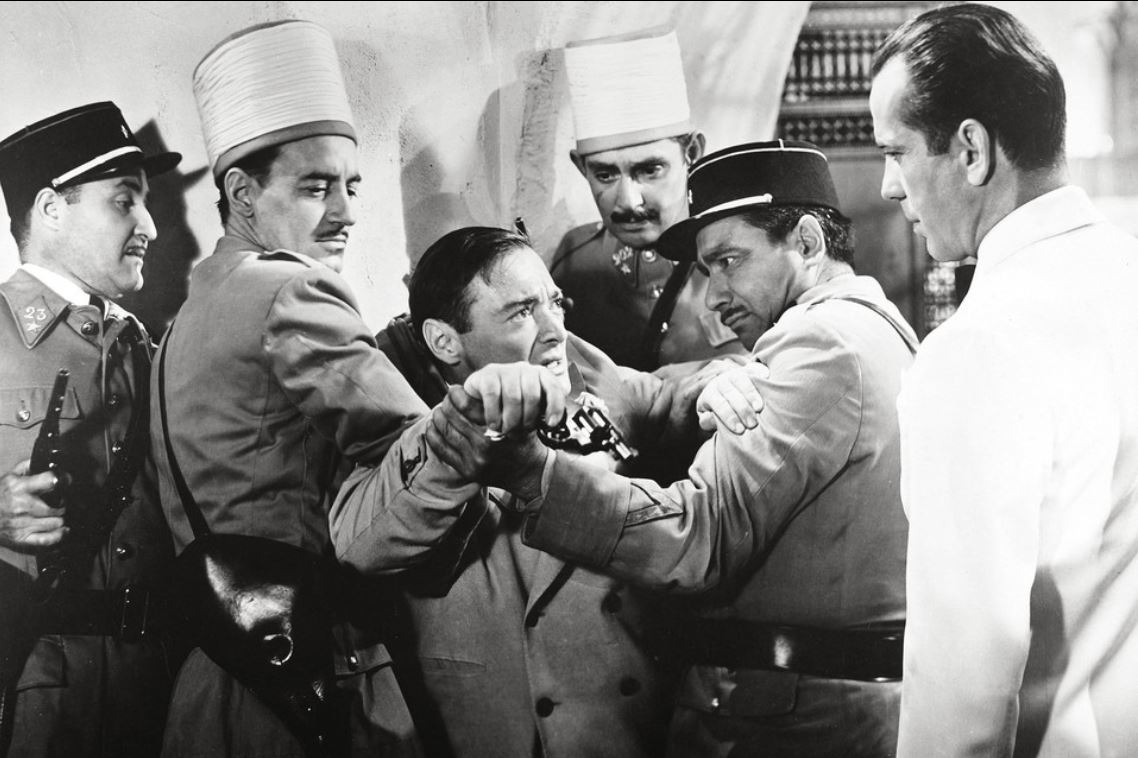
Casablanca d/Michael Curtiz


Questions: Would a movie produced today,  give more prominence to freedom and justice of the world over, true love. I think it would, for today is an even more politically correct a place than eighty years ago. Only likely difference I venture to say is that most of the world would expect Rick to take that approach, over keeping Ilsa. Apparently there was an alternate impromptu script which took that line too.  Not arguing either way ( although I'd probably incline towards keeping Ilsa, personally)...


I won't say much more than that, as most things have been said about this movie by all the experts.


Rating: *****